Guide to Aizu Herring Pickled in Sansho Pepper | A local specialty with the aroma of sansho pepper, brought to this landlocked castle town by Kitamae ships
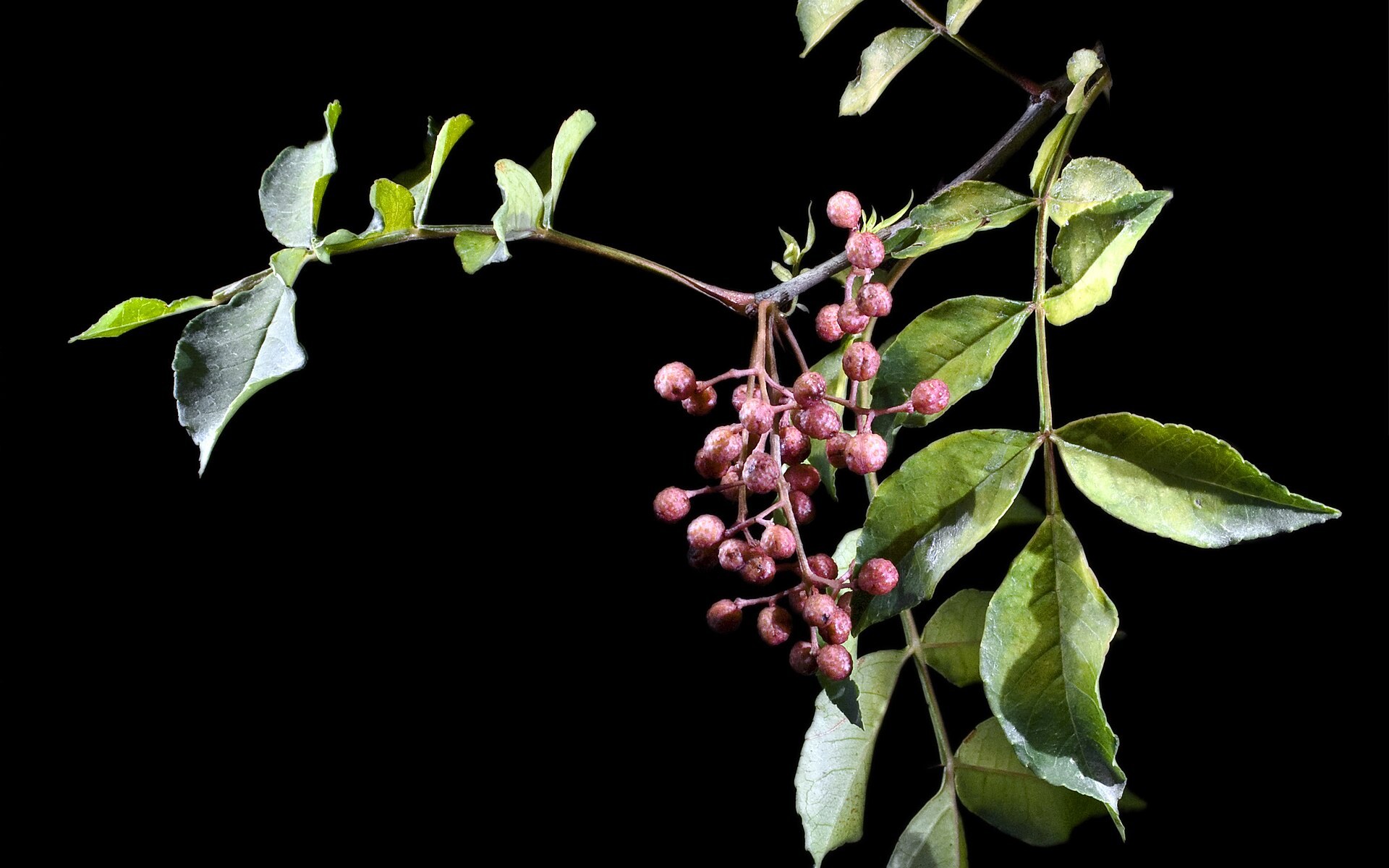
A castle town with no ocean, yet it has local fish dishes—that’s the surprising discovery you’ll make when you visit Aizu-Wakamatsu. A prime example is “herring pickled in sansho.”Made by pickling dried herring together with sansho leaves, it’s a staple preserved food on Aizu dining tables. The refreshingly spicy aroma of sansho and the rich, concentrated umami flavor of the herring make for an unforgettable experience. Here’s a unique Aizu specialty that’s also perfect as a souvenir.
How did Aizu, a landlocked region, come to have herring dishes?
Aizu-Wakamatsu is a castle town situated in a basin surrounded by mountains. Far from the sea, there was virtually no distribution of fresh fish during the Edo period. The reason herring reached Aizu was thanks to “migaki nishin” (dried herring), made from herring caught in Hokkaido.This preserved food—made by removing the innards and head before drying—was transported to Niigata via the Kitamae ships sailing the Sea of Japan route, and then carried over the mountain passes to Aizu.
In Aizu, where winters are long and the period without harvests is extended, “migaki nishin”—which kept well and served as a source of protein—was a highly prized ingredient. It is said that this led to the creation of numerous herring dishes, starting with “vinegared herring.” “Sansho-marinated herring” is one such dish.
Sansho leaves gently mellow the herring’s distinctive flavor
The recipe for “Shan-shu-marinated Herring” is featured in the Ministry of Agriculture, Forestry and Fisheries’ publication “Our Local Cuisine.” First, rehydrate the hard, dried herring in rice-washing water, scrub it thoroughly with a brush, and remove the heads.Next, line a dedicated container with sansho leaves, arrange the herring tightly on top, and layer them alternately with sansho leaves. Finally, pour in vinegar, sake, and soy sauce, cover the container, place a weight on top, and let it sit for several days to about a week—this allows the flavors to penetrate thoroughly.
While dried herring has a distinctive fishy odor, combining it with sansho leaves softens this odor and greatly enriches the flavor. The refreshing aroma of young sansho shoots (kino-me), which sprout in spring, meets the rich umami of the herring—a dish that blends the bounty of the sea and the mountains, truly representative of Aizu.
There are two types of “migaki nishin”: “honbosi” (thoroughly dried) and “hanki” (semi-dried).In the past, “honbosi”—which has a long shelf life and concentrated umami—was reportedly used most frequently. It is said that most of this dish is prepared from spring through early summer, when sansho is harvested. The boning of the herring takes place around February, and the dish begins to appear in Aizu in the spring. Prepared in harmony with the changing seasons, it is a once-a-year treat.
The story of Aizu is also woven into the special dish, the “nishin-bachi”
When discussing sansho-marinated herring, the specialized dish known as the “nishin-bachi” is indispensable. It is a rectangular dish sized to fit the polished herring and is crafted from Aizu Hongo-yaki pottery.It’s a vessel designed exclusively for this dish, allowing the long, slender herring to be laid out flat without bending, and featuring a drop lid to apply even pressure. Isn’t it wonderful how Aizu pottery and local cuisine are connected in this way?
For more on the world of Aizu Hongo-yaki, including the herring bowl, please also check out the Aizu Hongo-yaki Guide. Enjoying it alongside a tour of the pottery studios will deepen your appreciation of the connection between the tableware and the dish.
What Does It Taste Like? Tips for Eating
The basic way to enjoy sansho-marinated herring is to cut it into bite-sized pieces and eat it as is. Lightly grilling it enhances the toasty aroma and offers a different flavor profile.It’s perfect not only as a side dish with rice but also as an accompaniment to Aizu’s local sake. The crisp, refreshing aroma of sansho pepper brings out the flavor of the sake. For more on Aizu sake, check out the Aizu Local Sake Guide.
Speaking of Aizu’s local cuisine, “Kozuyu”—a soup made with scallop broth—is also famous. Kozuyu is an essential part of celebratory meals, while sansho-marinated herring embodies the wisdom of traditional preservation methods. Both flavors were born from the daily lives of the people of Aizu and the changing seasons.For more on kozuyu, please also check out our “Introduction to Aizu’s Local Dish: Kozuyu.”
Where to Buy in Aizu-Wakamatsu
If you’d like to try it during your trip or take some home as a souvenir, head first to Aizu-Wakamatsu Station. At “Omiyage-dokoro Aizu-Wakamatsu” on the station’s first floor, “Sancho-marinated Herring” (pack of 3) is featured as a recommended item. It’s also a convenient stop before boarding your train.
Another well-known, long-established flavor beloved in the city is the “Sancho-Marinated Herring” from Nimaru-ya Yamaguchi Shoten Co., Ltd. It’s also available at “Fukushima Market,” an online store specializing in products from Fukushima Prefecture, where a 500g package is sold. Please use this as a reference if you’d like to enjoy Aizu’s local cuisine by mail order.
When walking along Nanokamachi Street, be sure to stop by the Aizu Brand Hall (Market of Products from 17 Municipalities), a select shop that brings together Aizu’s crafts and cuisine. You can enjoy strolling through Nanokamachi while shopping for souvenirs.
Practical Information for Buying Sancho-Marinated Herring
Topic | Details |
|---|---|
Aizu-Wakamatsu Souvenir Shop | 1st Floor, JR Aizu-Wakamatsu Station |
Hours | 9:00 a.m.–7:00 p.m. |
Phone | 0242-25-0544 |
Recommended Items | Herring Pickled in Sansho Pepper (3-pack) |
Official Website | |
Ordering Examples | Fukushima Market “Sancho-Marinated Herring” (Nimaru-ya Yamaguchi Shoten, 500g, refrigerated shipping) |
Product details, prices, and expiration dates may vary depending on the season and store. Please check the latest information at each store or on the sales website before you go.
Summary
In Aizu-Wakamatsu—a landlocked city—"Herring Pickled in Sansho" was born from the meeting of polished herring brought by Kitamae ships and spring sansho leaves. From the wisdom of preserving food to the specialized "nishin-bachi" bowls and even its connection to Aizu Hongo-yaki pottery, this single dish is packed with the history and way of life of Aizu.If you visit Aizu-Wakamatsu, be sure to look for it at the station or in Nanokamachi. The aroma of sansho will bring back memories of your trip to Aizu right at your dining table.
Source and Reference Information
Date of Verification: November 21, 2026
Source:
- Ministry of Agriculture, Forestry and Fisheries, “Our Local Cuisine” — Sancho-marinated Herring https://www.maff.go.jp/j/keikaku/syokubunka/k_ryouri/search_menu/menu/30_3_fukushima.html — History, Origin, Recipe, Ingredients, and Seasonality
- “Sancho-marinated Herring” on Wikipedia — History, Herring Bowls, and Seasonal Availability
- JR East Tohoku General Services LiViT “Aizu-Wakamatsu Souvenir Shop (1st Floor of the Station)” https://www.livit.jregroup.ne.jp/detail/268 — Information on business hours, phone number, and recommended items (Sansho-Pickled Herring, 3-piece pack)
- Fukushima Market “Sansho-Marinated Herring” (Fukushima Prefecture Online Store) — Product details for Nimaru-ya Yamaguchi Shoten (500g, best-by date, refrigerated shipping)
Business hours, prices, and product details are subject to change. Please check the official website for the latest information before visiting.
Image Credit: Featured Image “Sansho (Zanthoxylum piperitum) Berries and Leaves” — Wikimedia Commons, CC BY-SA 4.0, Photo by Didier Descouens (File:Zanthoxylum piperitum.jpg). The photo shows sansho—the key aromatic ingredient—rather than the dish itself.
