An Introduction to Aizu Lacquerware | Features and Techniques of This 400-Year-Old Lacquerware Tradition, and How to Choose Souvenirs
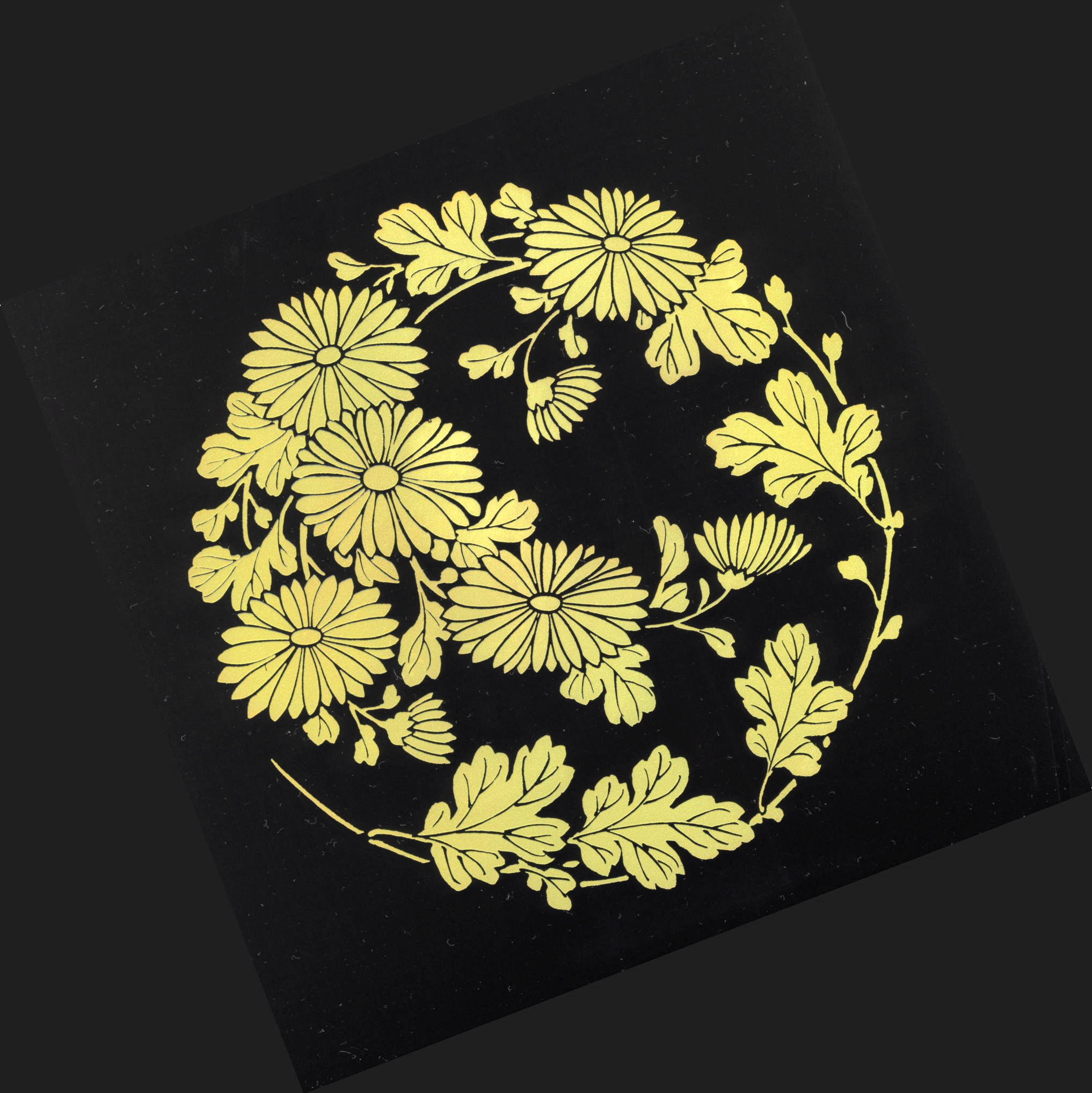
Aizu-nuri is a general term for lacquerware produced in the Aizu region of Fukushima Prefecture. This craft has been passed down for over 400 years in the castle town of Aizu-Wakamatsu and was designated as a Traditional Craft by the Minister of Economy, Trade and Industry on May 10, 1975 (Showa 50).In this article, we’ll explore the history and techniques of Aizu-nuri—characterized by its warm, textured finish and delicate decorations using metal powder—and offer tips on selecting pieces as souvenirs.
The History of Aizu-nuri
Lacquerware craftsmanship took root in the Aizu region in Tenshō 18 (1590).Gamō Ujisato, who became the lord of Aizu at the behest of Toyotomi Hideyoshi, encouraged lacquer craftsmanship as an industry. He summoned woodturners and lacquer artisans from his former domain in Hino (present-day Shiga Prefecture) to introduce the cutting-edge techniques of the time.As a result, Aizu lacquerware began its journey as an industrial craft sold widely to other regions.
From then on, successive feudal lords also made use of the region’s abundant forest resources, striving to manage lacquer trees and support the woodturners. It is also well known that the founder of the domain, Hoshina Masayuki, worked diligently to protect and cultivate lacquer trees.Around the Kansei era in the mid-Edo period, new decorative techniques such as keshi-fun maki-e were introduced, and these have been passed down to the Aizu-nuri of today.During the Edo period, efforts were made to boost sales—including the establishment of a trading post in Edo dedicated to Aizu products—and the industry flourished, with exports even reaching China and the Netherlands; however, it suffered a devastating blow during the Boshin War at the end of the Edo period.During the recovery process, the “Suzuki-style lathe” was invented, leading to greater precision in wood shaping and the advancement of mass production; by the mid-Meiji period, Aizu had once again become renowned as one of Japan’s leading lacquerware production centers.
Characteristics and Techniques of Aizu Lacquerware
Preparing the Wooden Base and Undercoat
Aizu-nuri vessels are broadly categorized into round items (such as bowls) and flat items (such as tiered boxes and bookcases); a distinctive feature not found in other production regions is the division of labor, with specialized artisans handling each category.The materials used are primarily horse chestnut and Japanese zelkova for round items, and magnolia for flat items. Artisans who craft the wood bases for flat items are called “Sōwashi” in Aizu; this term was already in use by the mid-Edo period, and Aizu is said to have the longest history of developing wood bases for flat items in the country.Furthermore, Aizu is a region that has consistently handled the entire process—from lacquer cultivation to wood-turning, lacquering, and decoration—all within the same production area.
For round-shaped wood bases, the wood is roughly turned into a general shape, then thoroughly dried to prevent warping before undergoing final turning.In the lacquering process, raw lacquer is first applied to the wood base to seal the pores, and a base coat is created using “sabi,” a mixture of raw lacquer and ground stone powder.After drying, the surface is sanded smooth, and layers of undercoat and intermediate coats are applied, followed by a final topcoat. Note that for Aizu-nuri to be recognized as a traditional craft, the lacquer used must be natural lacquer.
The Soft Luster of Hana-nuri
The “Hana-nuri” finish is representative of Aizu-nuri. Rather than polishing the surface further after the topcoat, the freshly applied lacquer surface is left as is, resulting in a warm finish with a natural luster and soft texture.For the topcoat, “shuai-urushi” (a lacquer mixed with red pigment) is used, to which vegetable oils such as linseed oil or perilla oil are added to produce a natural luster.
Decoration Centered on “Keshiko Makie”
At the heart of the decoration is “shōfun maki-e.” This technique involves transferring a pattern drawn on thin paper onto the surface of the lacquerware, painting the pattern with lacquer, and—once the lacquer is partially dry—sprinkling fine metallic powder called shōfun onto the surface with a cotton swab to set it in place.The painterly expression of “bokashi” (gradation), which involves applying shōfun and colored powders separately, and “keshikinji” (a background entirely covered with shōfun), are said to be the exclusive domain of Aizu.
In addition, there is “Chinkin,” a technique in which the surface is shallowly carved using Aizu’s unique blades—made from modified watch springs—and lacquer is rubbed into the grooves to set gold leaf or powder; “Urushi-e,” in which designs are painted with colored lacquer mixed with pigments; andand “Aizu-e,” which combines the Higaki pattern with diamond-shaped foil embossing—are among the diverse decorative techniques employed.Many of the patterns feature auspicious designs. Lacquer techniques also include “Tetsusabi-nuri,” in which rust is raised to form patterns;“kinmushi-kui-nuri,” in which rice husks are scattered to create patterns, and “kijiro-nuri,” which highlights the natural beauty of the wood grain.
Aizu-nuri as a Souvenir
Aizu-nuri developed as a producer of daily necessities with Edo as its primary market, so it is characterized by a wide variety of products. In addition to tableware such as rice bowls, soup bowls, and chopsticks, the craft also produces tiered lunch boxes, book cases, vases, and stationery.There are shops throughout the city—including the Nanokamachi and downtown areas—that carry Aizu-nuri, allowing you to handle the actual items and choose the ones you like. Here are some tips for selecting Aizu-nuri:
- Choose by Purpose: It’s easier to choose if you visualize the situation in which you’ll use the item—for example, bowls and chopsticks for everyday use, or tiered lacquer boxes for gifts or special occasions.
- Choose by decoration: Plain “hana-nuri” pieces allow you to appreciate the natural luster of the lacquer finish, while items featuring “koshiko maki-e” or “chinkin” offer a more ornate aesthetic.
- Check the texture: By checking the weight, feel of the lacquer surface, and size in the store, you’ll find it easier to discover a piece that fits your lifestyle.
- Choose based on Aizu’s unique character: Items featuring decorations exclusive to Aizu—such as “keshikinji” (gold-ground lacquer) and “Aizu-e” (Aizu-style painting)—make for gifts that truly embody the region’s craftsmanship.
Aizu-nuri is created through the division of labor among many artisans, from shaping the wood to lacquering and decorating. When you visit Aizu-Wakamatsu, be sure to pick up a piece of this 400-year-old lacquerware and experience its texture for yourself.
Information verified on: November 8, 2026
Sources: Tohoku Bureau of Economy, Trade and Industry, “Traditional Crafts of Tohoku | Fukushima Prefecture: Aizu-nuri”; Aizu Lacquerware Cooperative, “History of Aizu-nuri”
*Photo: “Makie.jpg” (Photo by Pqks758, CC BY-SA 3.0, Wikimedia Commons)