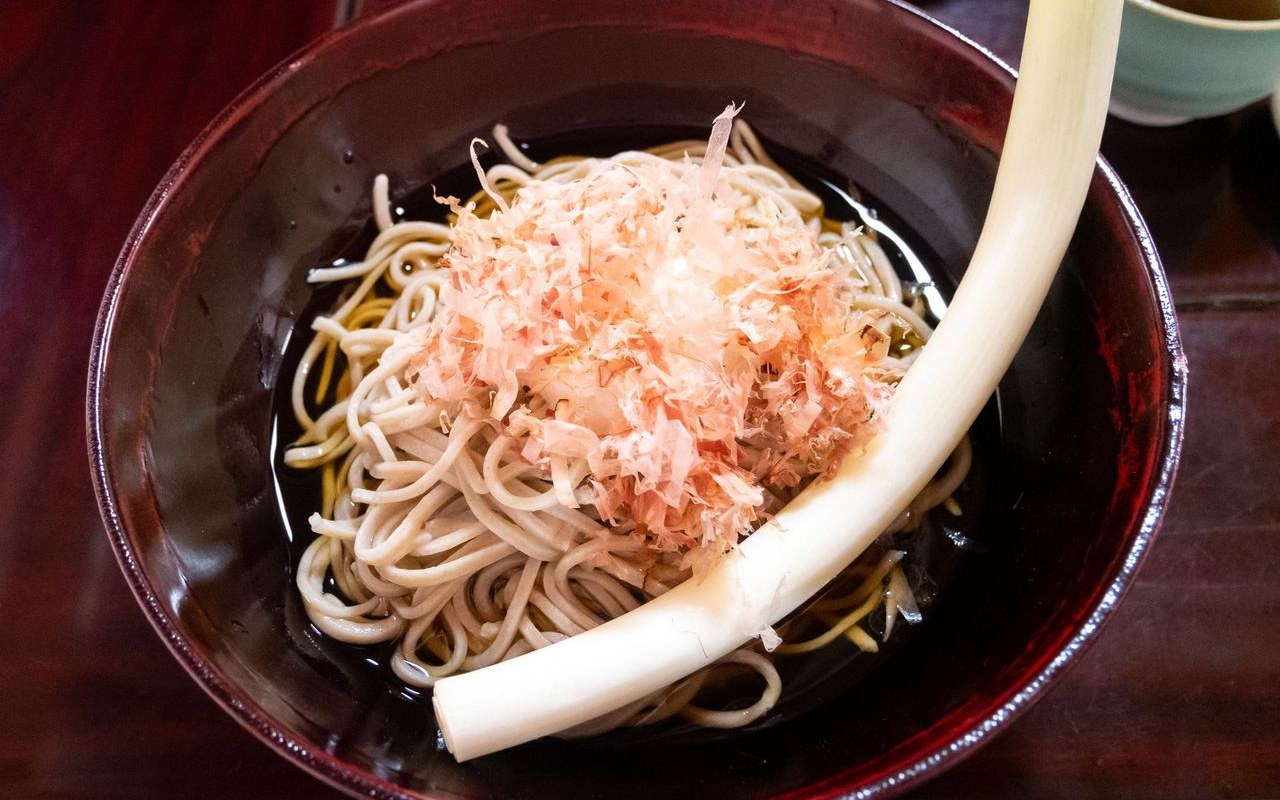
Aizu Soba Guide | A Soba Journey in Aizu-Wakamatsu to Savor Takato Soba, Negi Soba, and 100% Buckwheat Soba
When it comes to soba in Aizu-Wakamatsu, there’s Takato Soba, Ouchi-juku’s Negi Soba, and the fragrant 100% buckwheat soba. We’ll introduce the story of the soba brought by feudal lord Masayuki Hoshina, three ways to enjoy it, and how to experience it in the city center and at Ouchi-juku.
Read Story →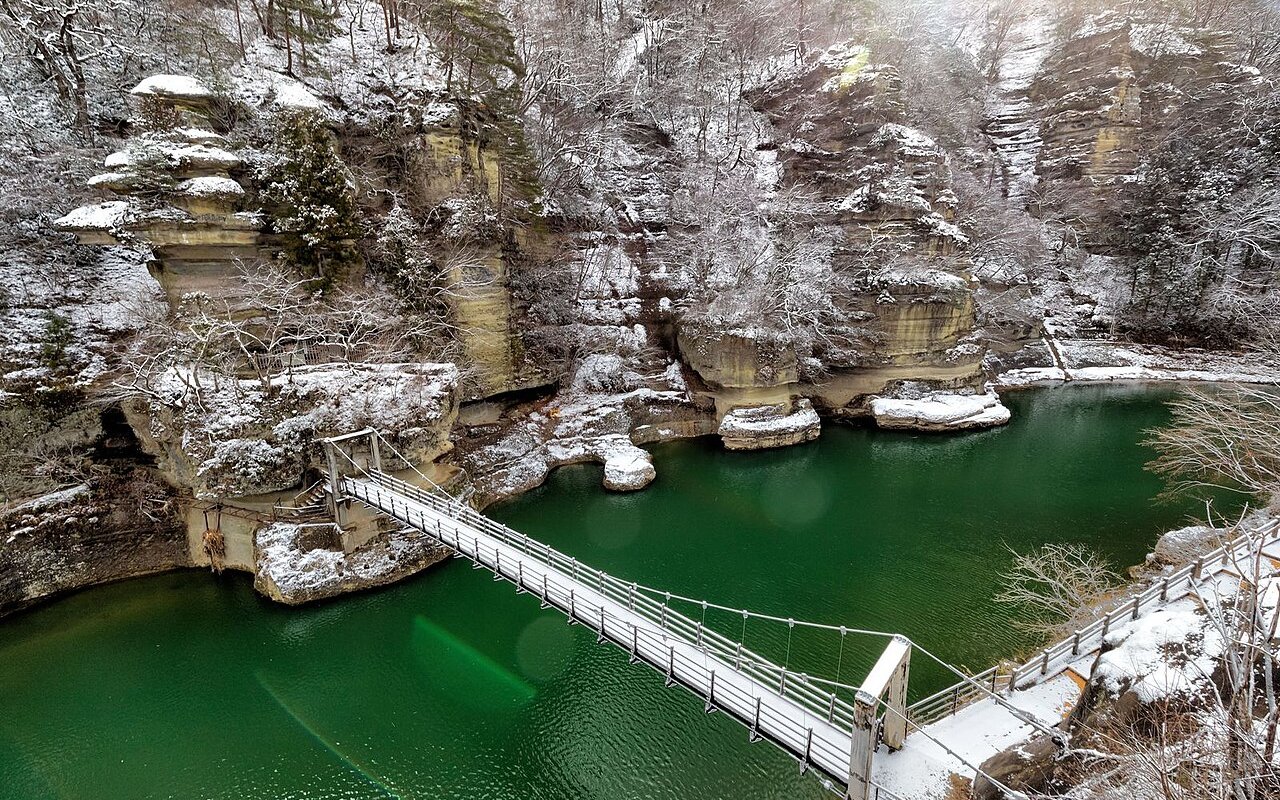
Tō no Hetsuri Tourist Guide | Cross the Suspension Bridge to the Cliffs of Strange Rocks: Scenic Spots in Shimogo Town, Including Ōuchi-juku
Tō no Hetsuri is a scenic spot featuring bizarre rock formations carved out by the Ōkawa River over a million years. Cross the suspension bridge to enter the interior of the cliff. Located about a 5-minute walk from the Aizu Railway station, this is a must-see attraction in Shimogo Town that you’ll want to visit along with Ōuchi-juku.
Read Story →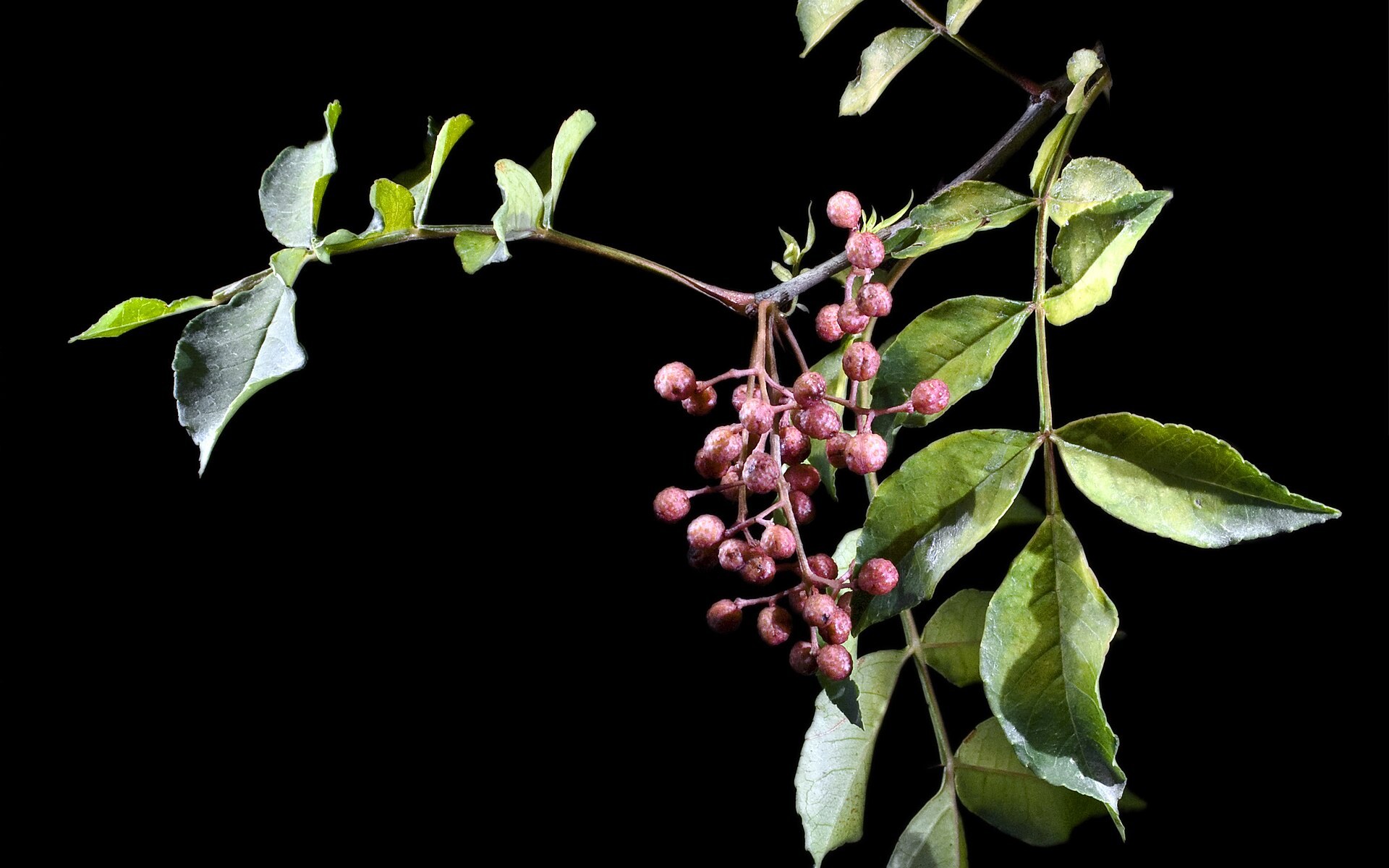
Guide to Aizu Herring Pickled in Sansho Pepper | A local specialty with the aroma of sansho pepper, brought to this landlocked castle town by Kitamae ships
“Herring Pickled in Sansho Pepper”—a local dish born in Aizu-Wakamatsu, a landlocked city. We’ll introduce the wisdom behind this preserved food—created from skinned herring and sansho leaves—its connection to “herring bowls,” and where you can buy it at the train station and in Nanokamachi.
Read Story →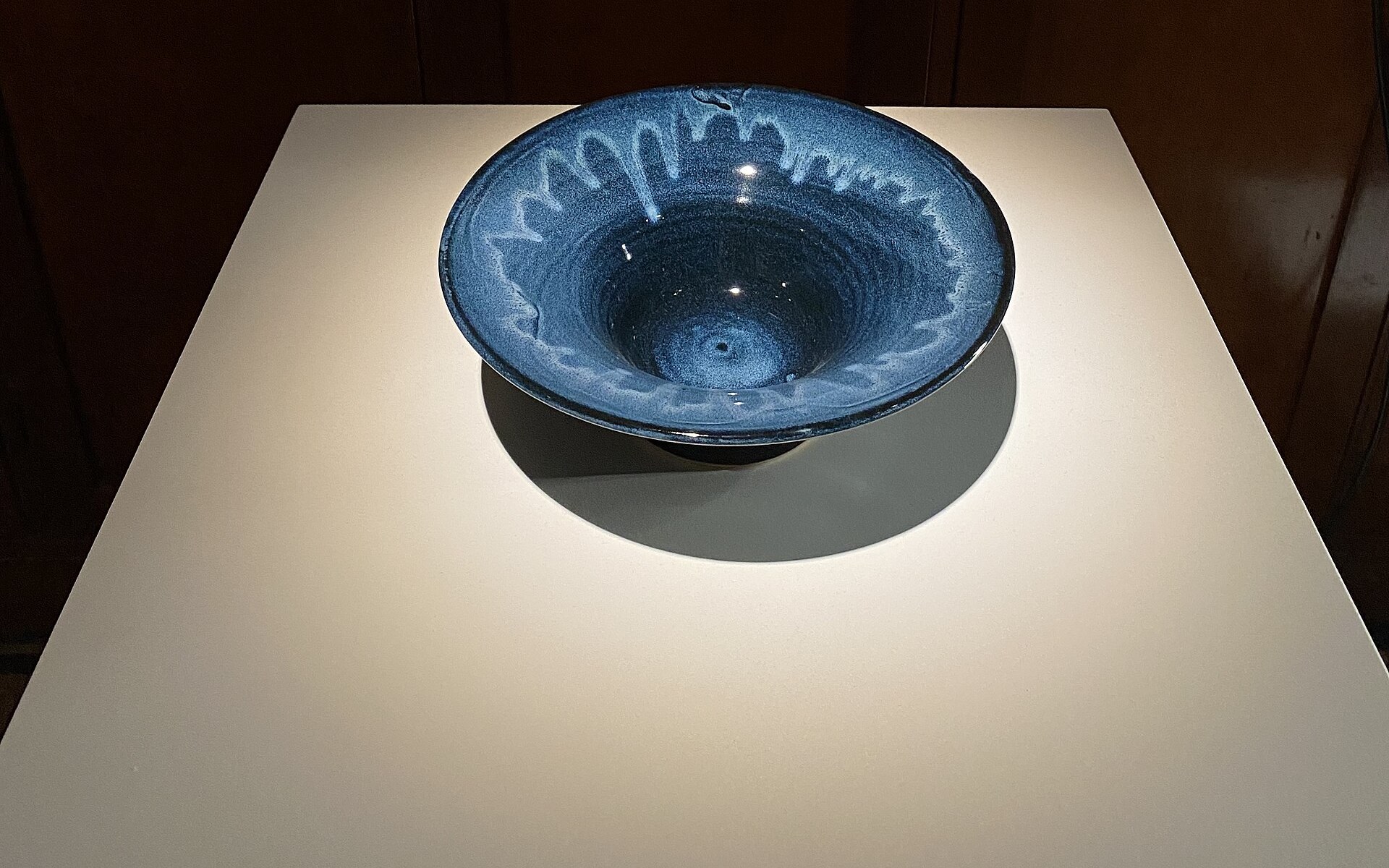
Guide to Aizu Hongo Pottery | A Journey Through Tohoku’s Oldest Pottery Village: Visiting Pottery Studios and Discovering 400 Years of Craftsmanship and Ceramics
Aizu Hongo-yaki: the oldest pottery village in the Tohoku region. We’ll introduce you to its 400-year history and the unique styles of its 12 pottery studios, the charm of herring bowls and amber glaze, and how to enjoy touring the studios and the Seto Market—which starts at 4:00 a.m.—along with other tourist attractions in Aizu-Wakamatsu.
Read Story →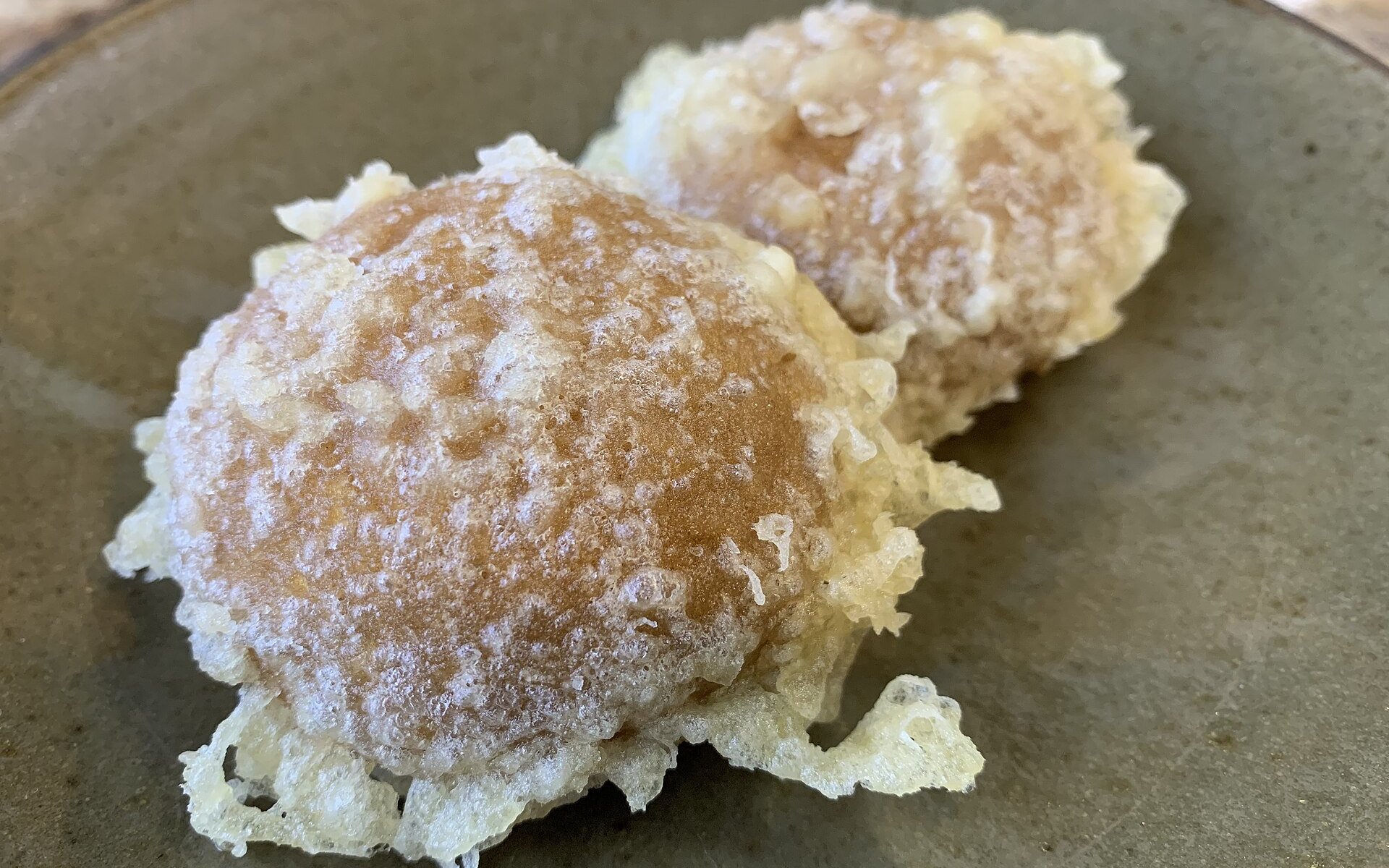
Aizu Tempura Manju Guide | Enjoy the Crisp, Freshly Fried Local Delicacy at Tsuyoshimizu, the Original Shop
"Tempura Manju" is a local specialty unique to Aizu, made by coating manju (steamed buns) in batter and deep-frying them. We’ll provide detailed information on how to enjoy this dish at Tsuyoshimizu, the long-established shop where it originated, as well as details on the winter-only duck soba and souvenir options.
Read Story →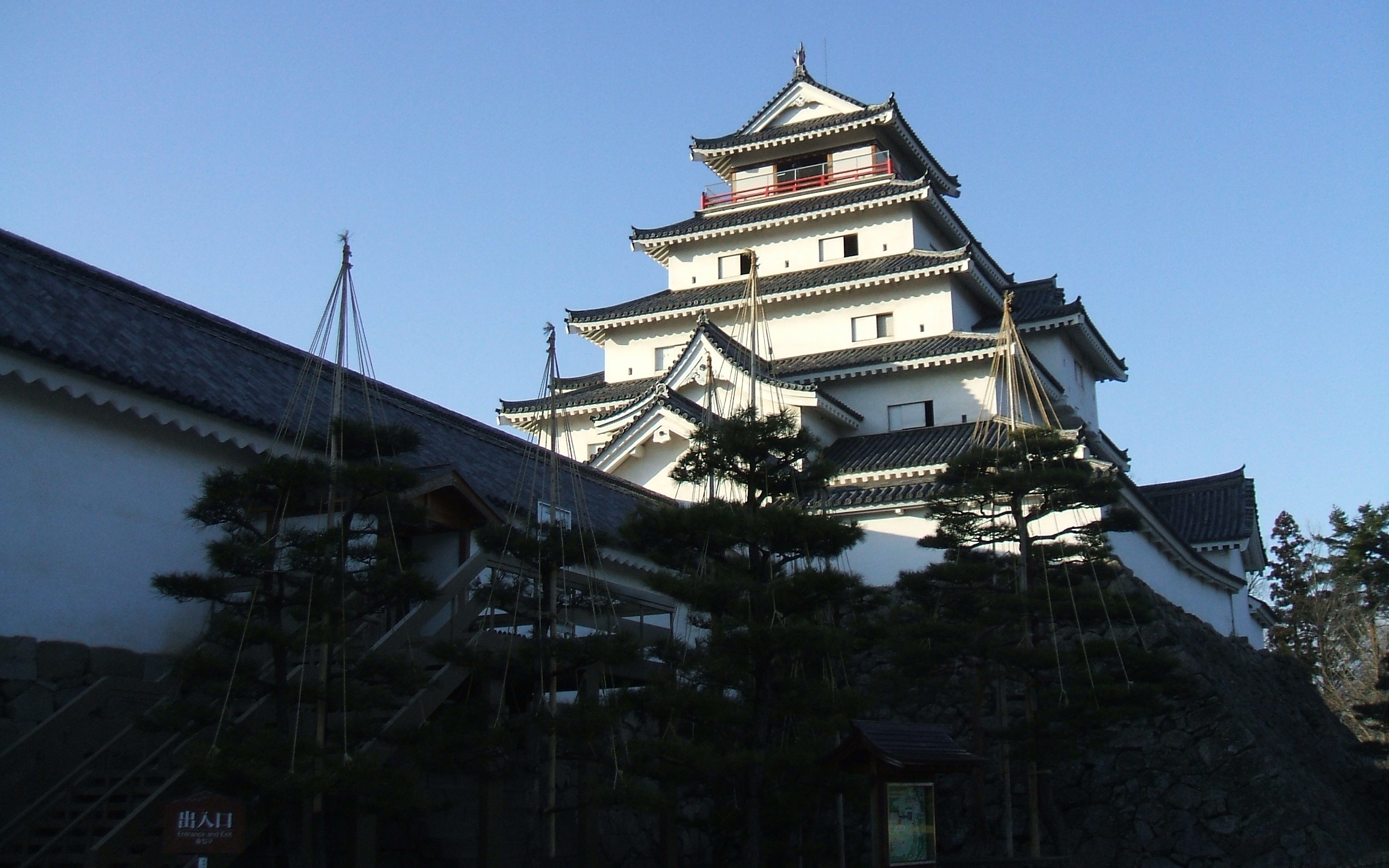
Aizu-Wakamatsu Winter Itinerary | A Day Spent Enjoying Snow-Covered Tsuruga Castle and Mt. Iimori, Strolling Through Nanokamachi, and Warming Up at Higashiyama Onsen
A suggested one-day winter itinerary for exploring snow-covered Aizu-Wakamatsu by bus. From the Sazaedo Temple on Mt. Iimori to the snow-covered Tsurugajo Castle, followed by lunch and a stroll in Nanokamachi, and ending with a visit to Higashiyama Onsen. This guide includes estimated travel times and fees.
Read Story →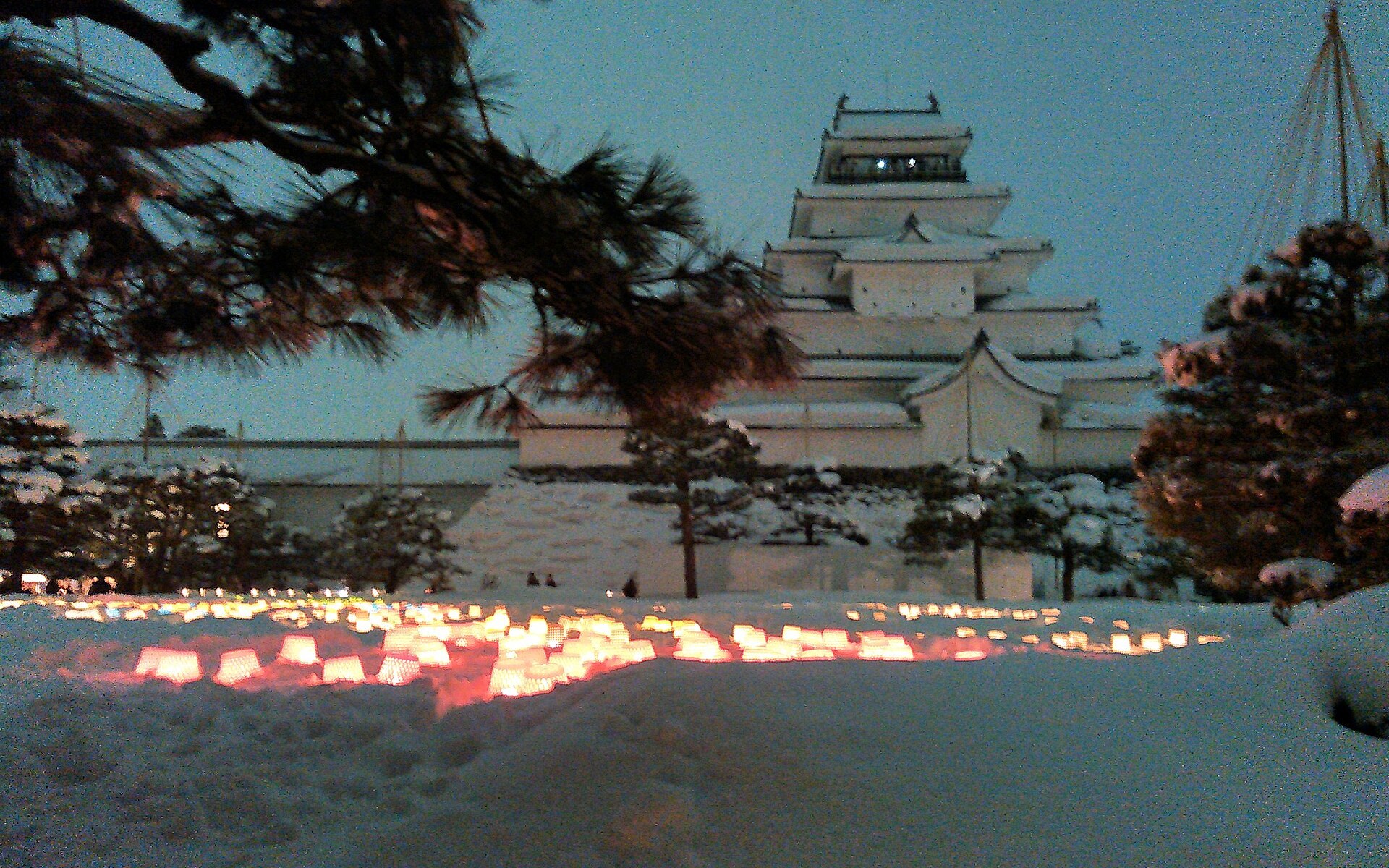
Aizu Painted Candles Guide | 500 Years of Light and Candle-Painting Experiences, the Winter “Yuki Hotaru” Festival, and a Long-Established Shop in Nanokamachi
Aizu-e candles—a 500-year-old traditional craft—feature seasonal flowers painted on beeswax extracted from lacquer tree seeds. We’ll introduce a painting workshop at a long-established shop in Nanokamachi, the “Yuki Hotaru” Festival that lights up winter nights, and where to buy these candles.
Read Story →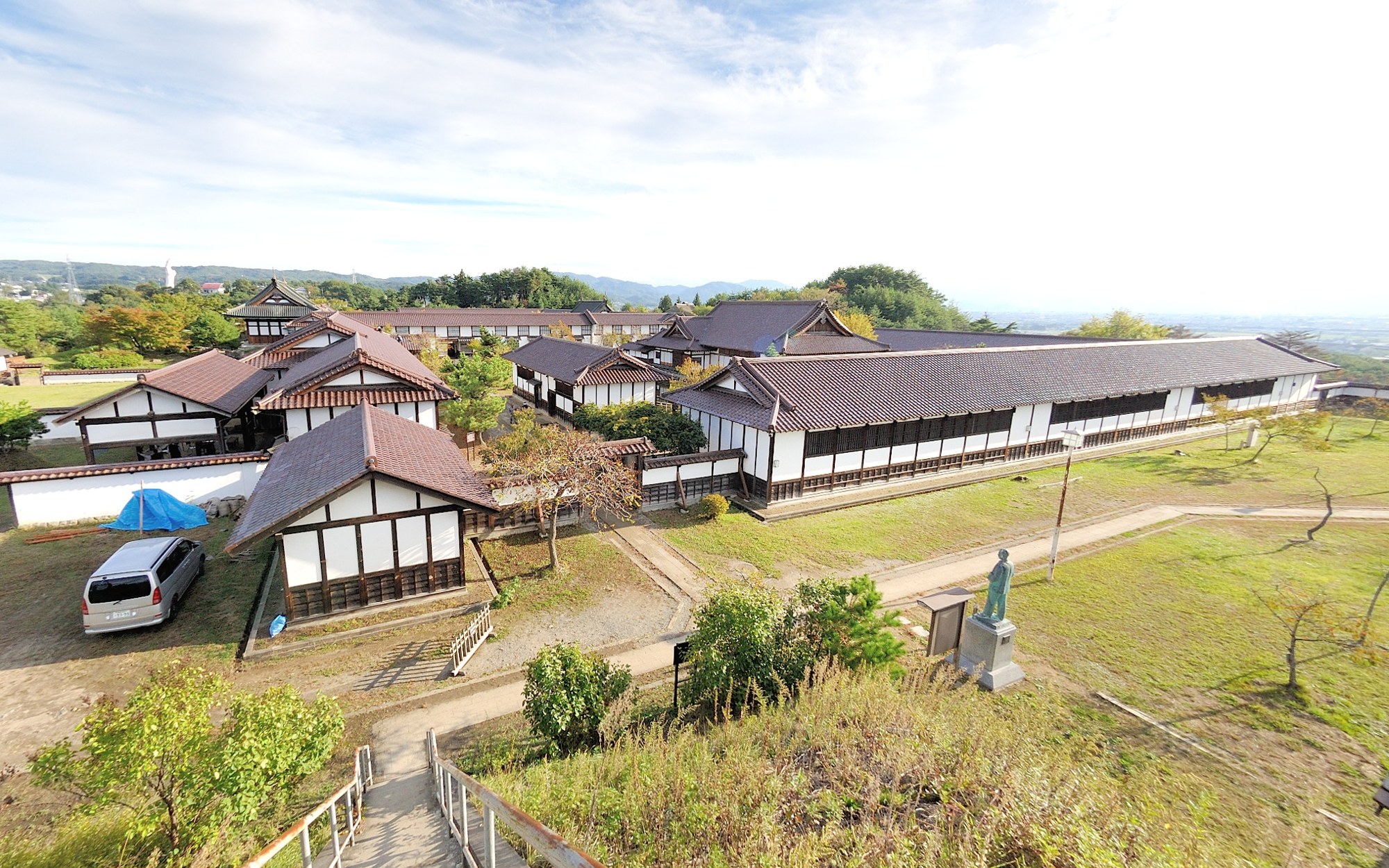
Tour Guide to the Aizu Domain School, Nisshinkan | Admission Fees, Directions, the “Ten Commandments,” and the Samurai School Where the Byakkotai Studied
Nisshinkan, the highest institution of learning in the Aizu Domain, was founded in 1803. This article introduces the restored school building where the Byakkotai once studied, highlights such as Japan’s oldest swimming pool and the origins of school lunches, as well as hands-on experiences in kyudo (archery) and pottery painting, along with admission fees and access information.
Read Story →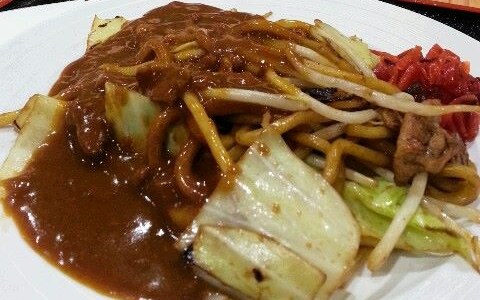
Aizu Curry Yakisoba Guide | Aizu-Wakamatsu’s “Youth Soul Food”: Yakisoba Topped with Curry Sauce
"Aizu Curry Yakisoba" is a local specialty from Aizu-Wakamatsu made by pouring curry sauce over soy sauce-flavored yakisoba. We’ll explore the origins of this "taste of youth," which was created in diners during the Showa 50s, and introduce the different ways to enjoy the noodles and toppings that vary from restaurant to restaurant.
Read Story →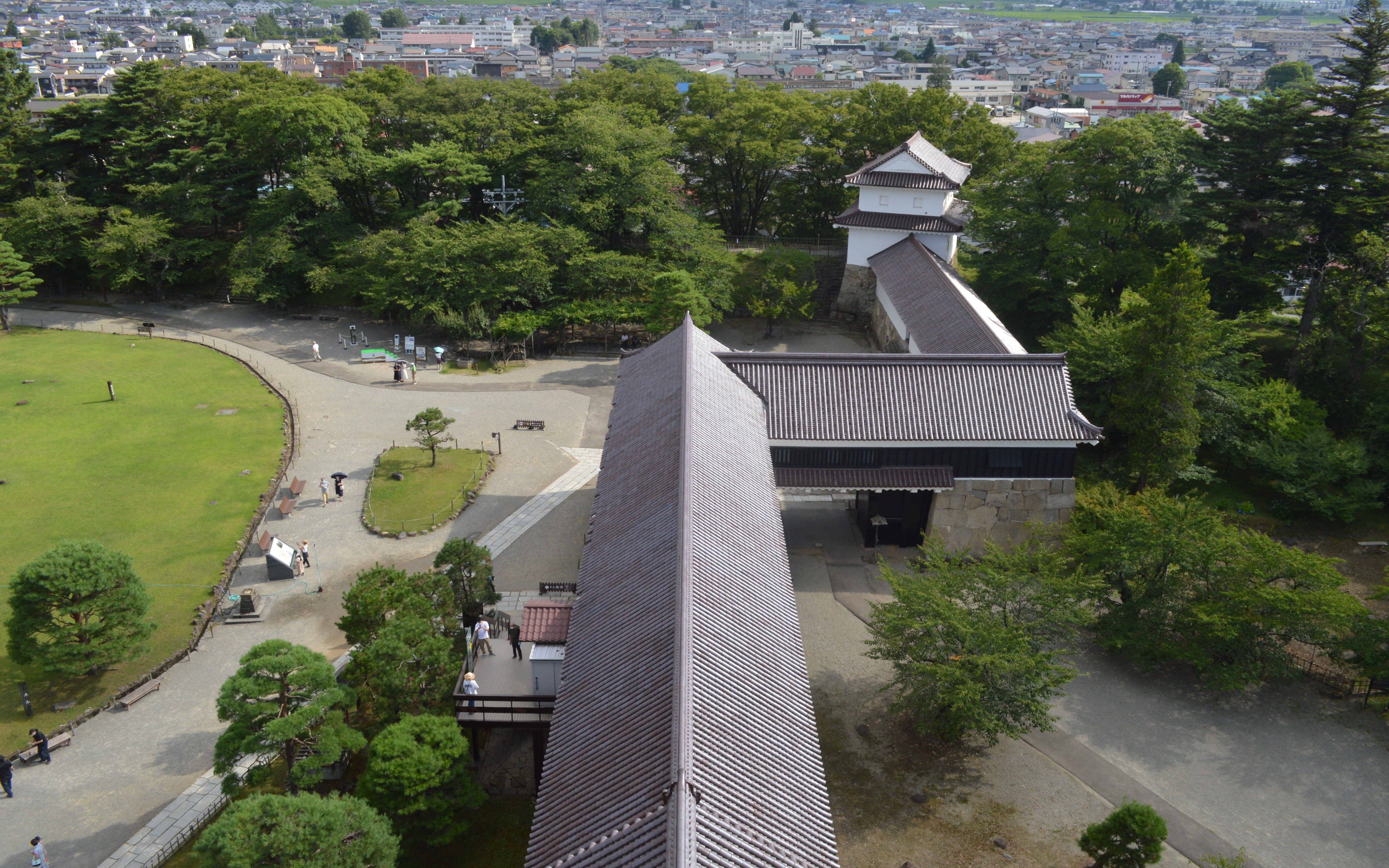
Tsuruga Castle Guide | Japan’s Only Castle with a Red-Tiled Main Keep and a Castle from the Boshin War: Admission Fees, Recommended Visit Time, Fall Foliage, and Access
Tsuruga Castle, the symbol of Aizu-Wakamatsu, is known for having Japan’s only red-tiled castle keep. Here’s a summary of the admission fees and opening hours for the Castle Keep Museum, combined tickets with the Rinkaku Tea House, the autumn foliage and projection mapping in November, as well as access information and travel times.
Read Story →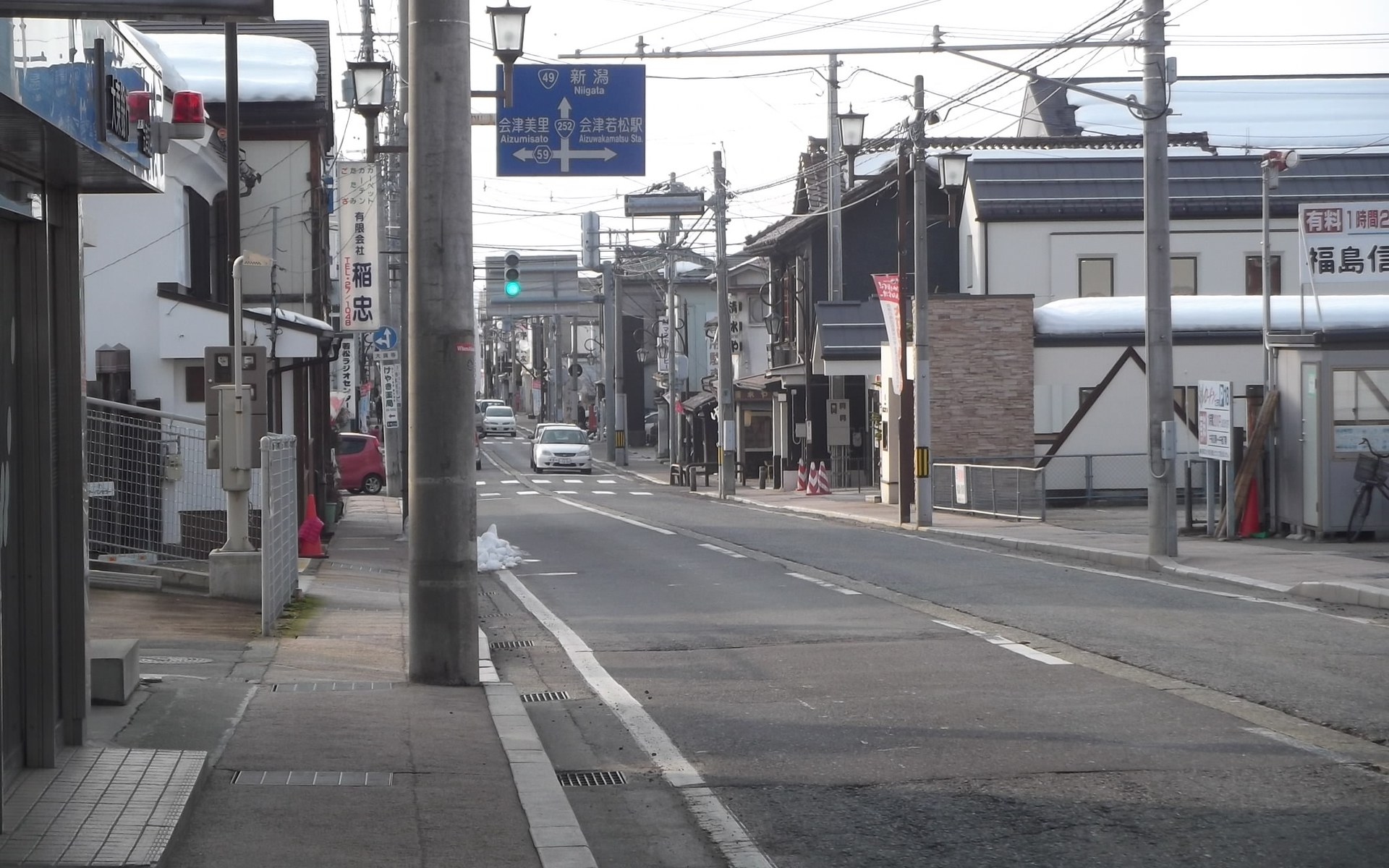
Aizu Cotton Guide | 400 Years of Vertical Stripes and the Toyota-Style Power Loom: Discover Aizu’s Handicrafts in Nanokamachi
Aizu Cotton, a Fukushima Prefecture-designated traditional craft with a history of approximately 400 years. We’ll explore the secrets behind its beautiful vertical stripes and durable texture, take you on a tour of the Yamada Cotton Weaving Mill—founded in Meiji 38—where you can also shop for souvenirs, and show you how to explore Nanokamachi Street.
Read Story →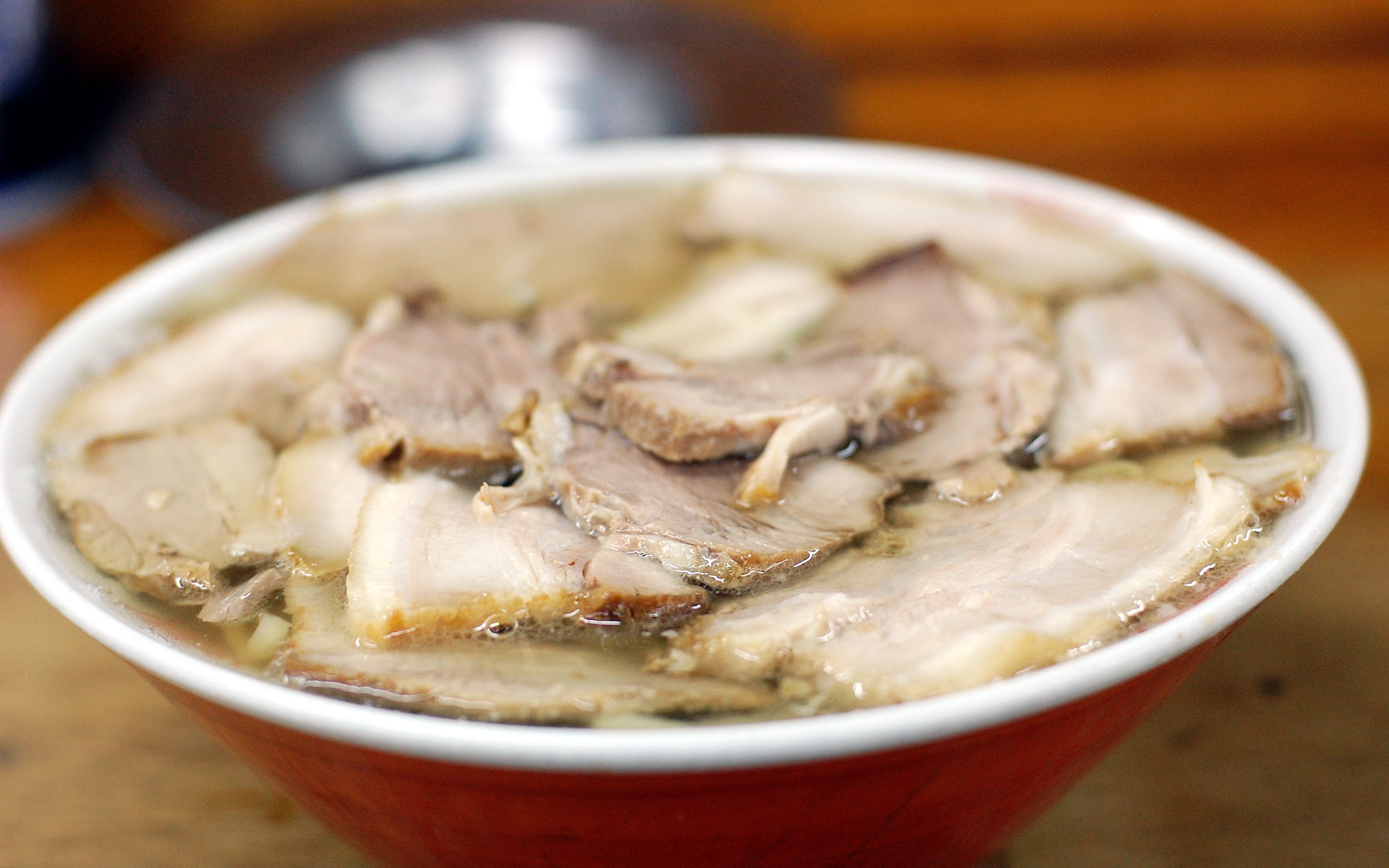
Kitakata Ramen Guide | The Flat Noodles of One of Japan’s Three Great Ramen Styles and the “Morning Ramen” Culture: A Day Trip from Aizu-Wakamatsu
Kitagata Ramen is one of Japan’s three great ramen styles, alongside Sapporo and Hakata. Here, we’ll introduce its flat, aged, high-hydration noodles and clear soy sauce broth; the “morning ramen” culture where you can enjoy a bowl as early as 7 a.m.; and a day trip from Aizu-Wakamatsu that takes about 15 minutes by train.
Read Story →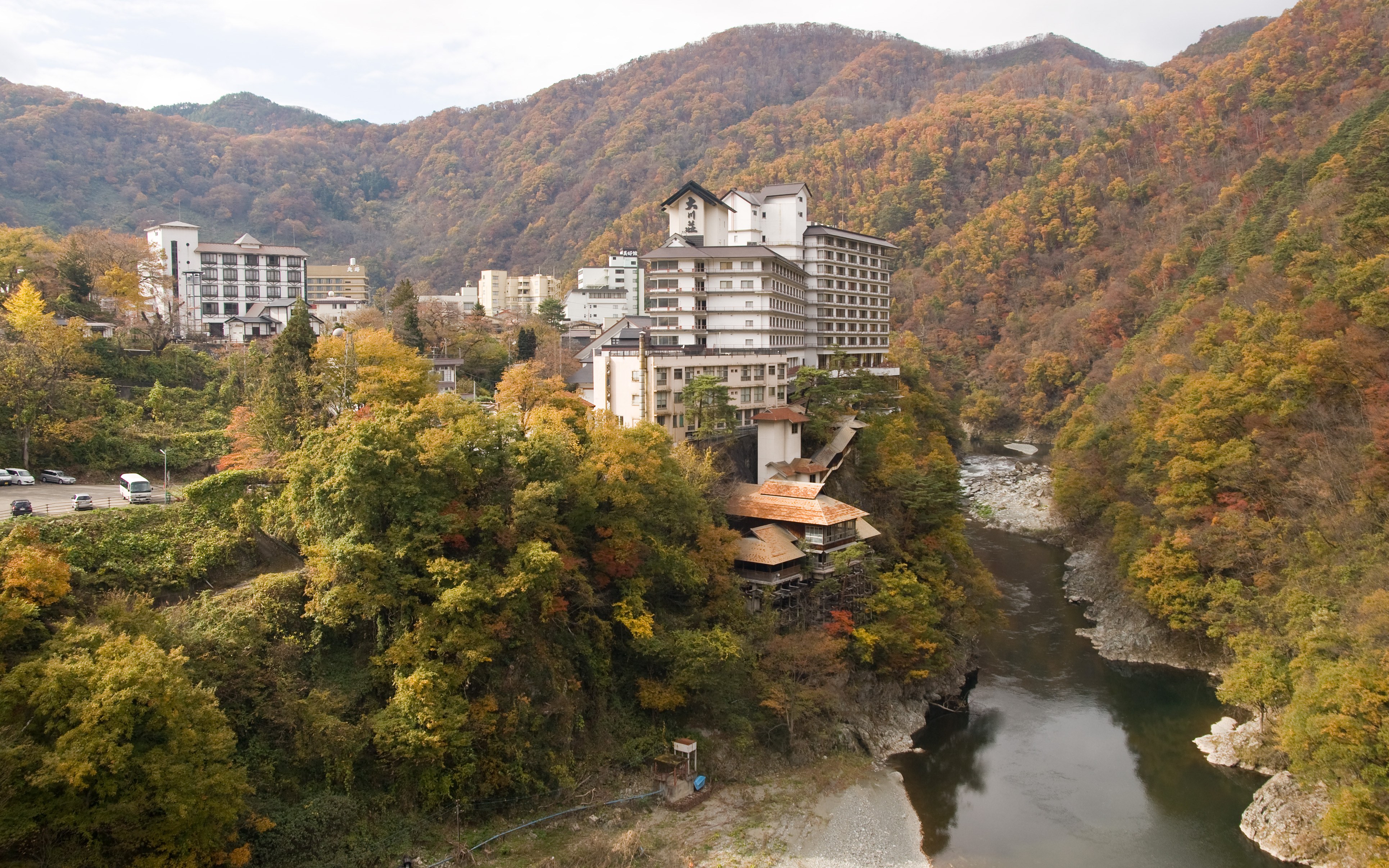
Ashinomaki Onsen Guide | A Tour of Foot Baths and Day-Trip Bathing Spots in This "Legendary" Hot Spring Town, Plus the Cat Stationmaster
Nestled in the Okawa Gorge, Ashino-Maki Onsen boasts a history spanning over a thousand years. Here, we’ll introduce ways to enjoy this area as a hub for sightseeing, including a tour of the free foot baths, day-trip bathing at six different facilities, and access to Ashino-Maki Onsen Station—home to a cat stationmaster.
Read Story →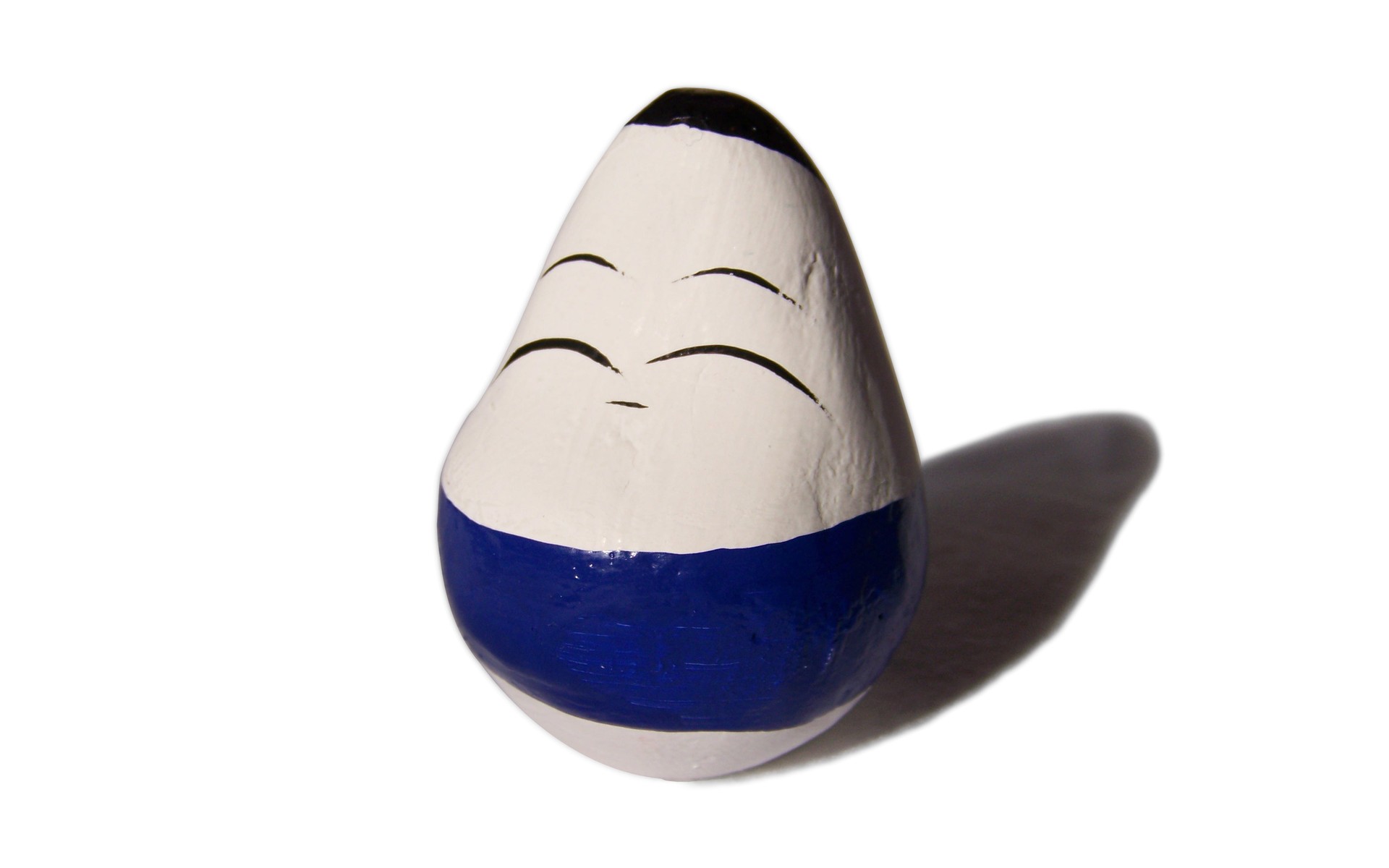
What Is an "Okiagari Koboshi"? | The Meaning of "Seven Falls, Eight Rises," 400 Years of History and Colors, the Tokaichi Festival, and a Guide to Painting Experiences
The “Okiagari Koboshi,” a good-luck charm from Aizu, symbolizes the spirit of getting back up no matter how many times you fall. We’ll introduce its 400-year history, the traditions of the Tokaichi Market, and how to paint your own at a workshop in Nanokamachi, as well as where to buy them.
Read Story →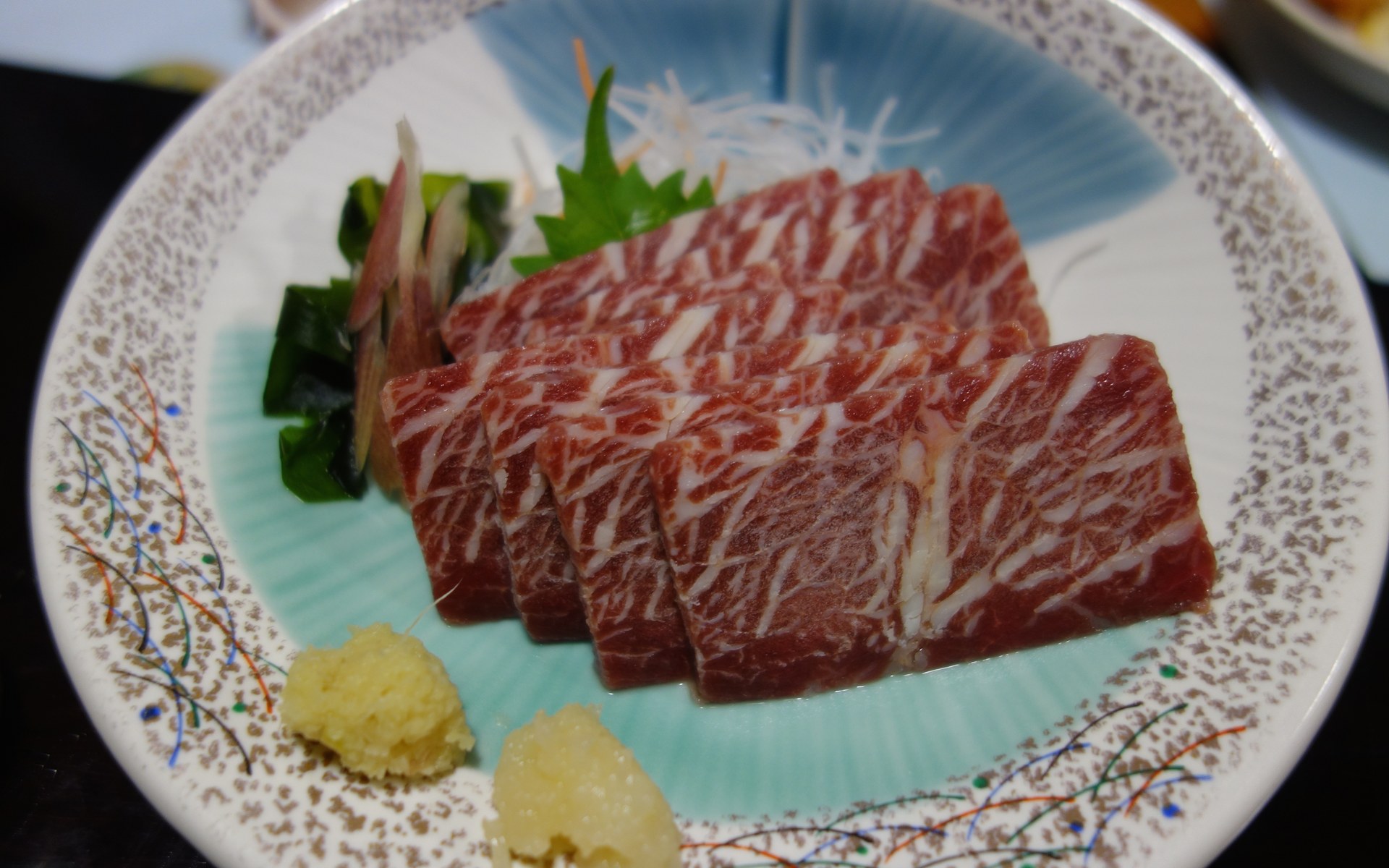
A Guide to Aizu Horse Sashimi | Lean Meat and Spicy Miso, An Anecdote About Rikidōzan, and Two Recommended Restaurants
Unlike Kumamoto’s marbled horse sashimi, Aizu’s version features lean meat as the star. We’ll introduce the history of this local dish—which is typically enjoyed with spicy miso—along with an anecdote about Rikidōzan, as well as a butcher shop on Nanokamachi Street and a local cuisine restaurant near the station. We hope this serves as a helpful guide for choosing where to eat during your visit to Aizu.
Read Story →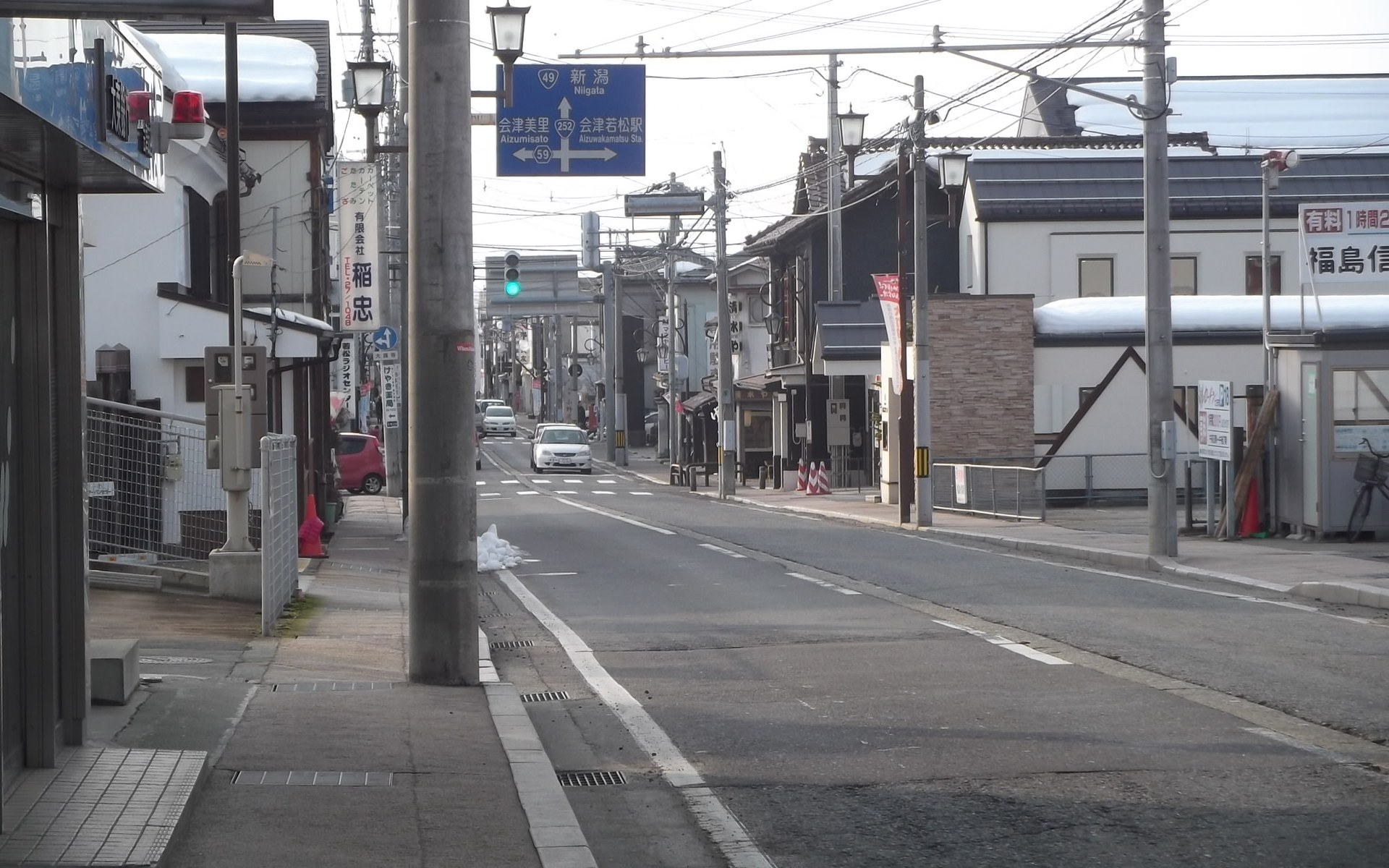
A Walking Guide to Nanokamachi Street | Exploring the Taisho-Era Romantic Streetscape, Amida-ji Temple, and the Station Café
A retro streetscape evoking the romance of the Taisho era stretches for about 700 meters from JR Tadami Line’s Nanokamachi Station to Omachi Yotsukado. This is a guide to strolling through the castle town of Aizu-Wakamatsu, taking in the three-story pagoda at Amida-ji Temple, the station café, long-established lacquerware shops, and sake breweries.
Read Story →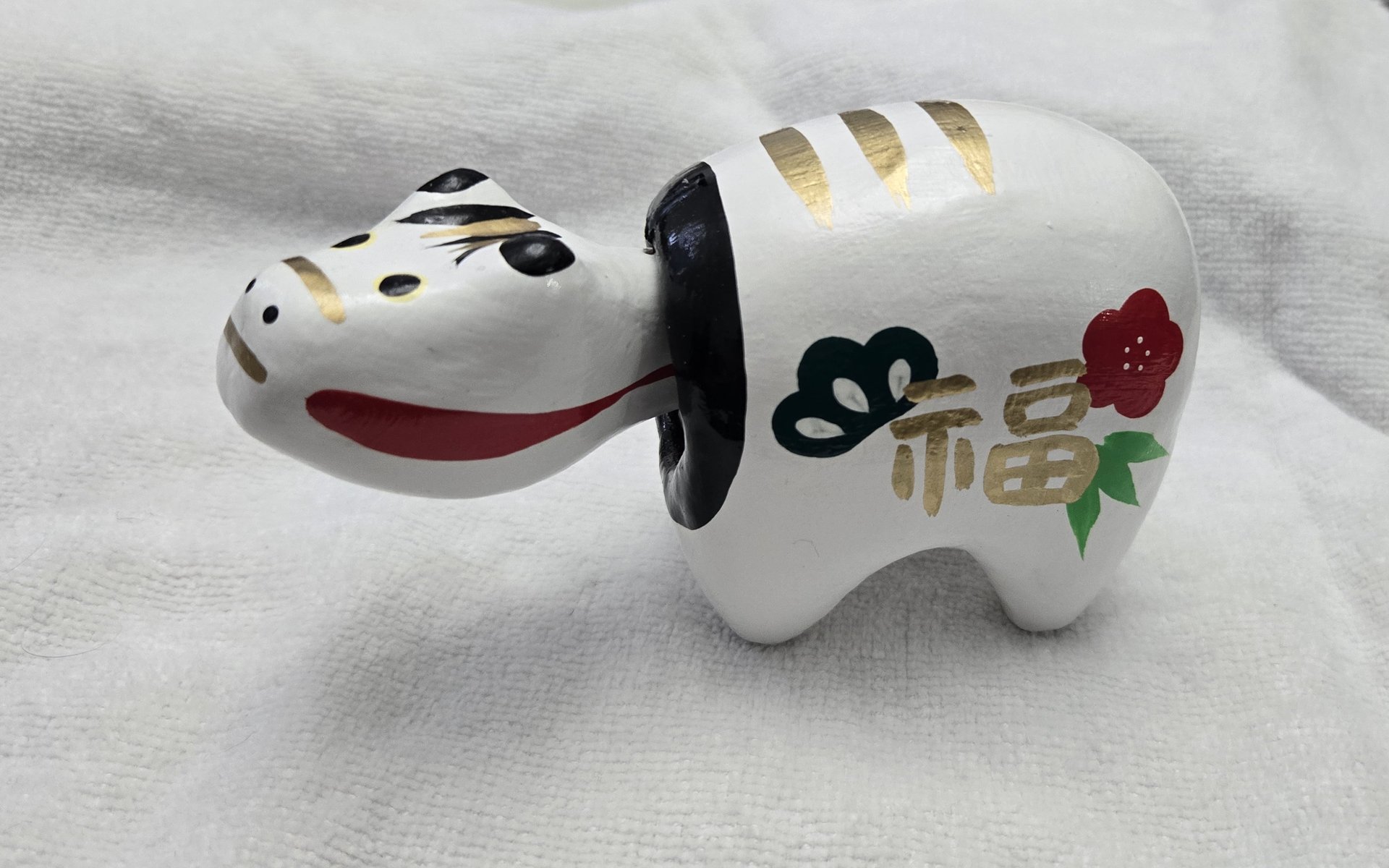
Guide to the Akabeko Painting Experience | Create a One-of-a-Kind Souvenir at Akabeko Land Nanokamachi Store
An experience where you can paint your own “Akabeko”—a traditional folk toy that has been passed down in Aizu for about 400 years—to create a one-of-a-kind souvenir. Here’s how to enjoy your visit to Akabeko Land’s Nanokamachi Store, along with some basic information. The activity takes about 30 to 90 minutes, and the fee is 1,430 yen.
Read Story →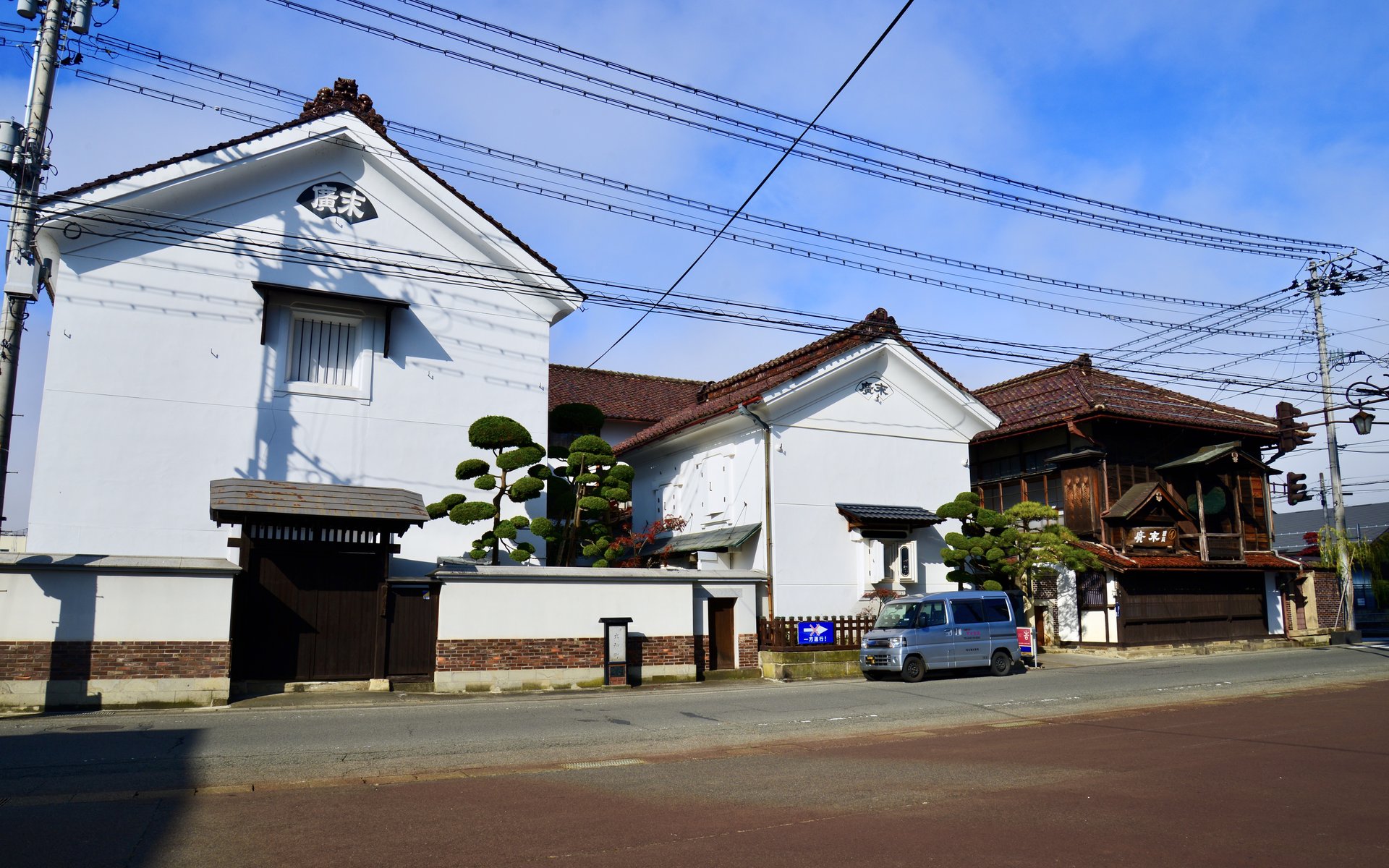
Aizu Local Sake Guide | Tour of Suehiro Shuzo's Kaei Brewery and Tasting Aizu Sake in Nanokamachi
Take a tour and enjoy a tasting at Suehiro Shuzo’s Kaei Brewery, which preserves the Yamahai brewing method, and sample local Aizu sake along Nanokamachi Street. Here, we’ll introduce the joys of touring sake breweries and provide some basic information. Fukushima Prefecture is a renowned sake-producing region, known for winning numerous gold medals at the National New Sake Competition.
Read Story →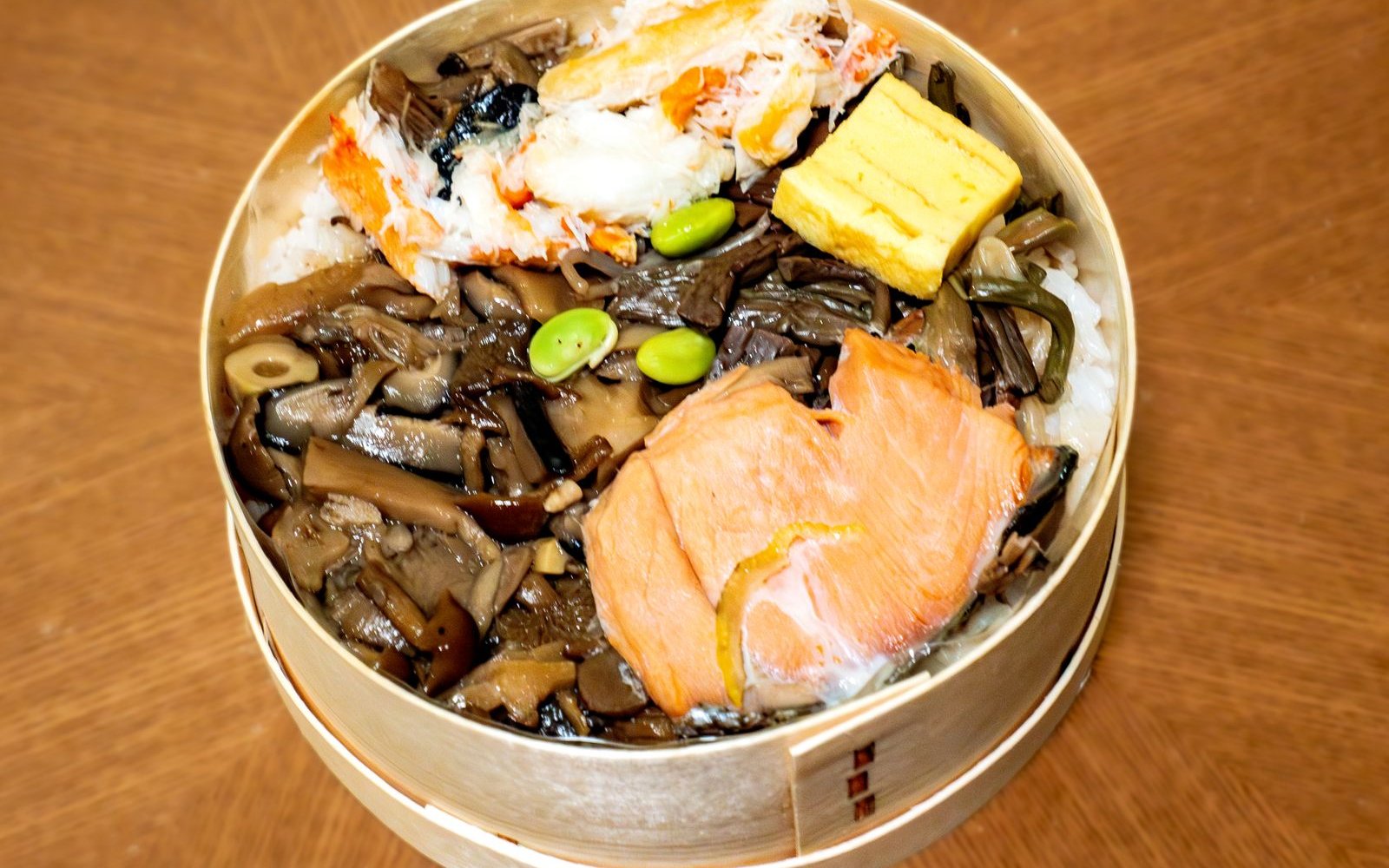
Aizu Wappa Rice Guide | Delicacies from the Mountains and the Sea Packed into a Bentwood Box: The Original "Takino" and How to Enjoy It
A traditional Aizu dish made by steaming a selection of mountain and sea delicacies in a cedar-scented bentwood box. We’ll introduce the history of the original “Takino,” the “Goshoku-wabako” set, and tips on how to enjoy it. Since it takes about 15 to 20 minutes to prepare, we recommend arriving with plenty of time to spare.
Read Story →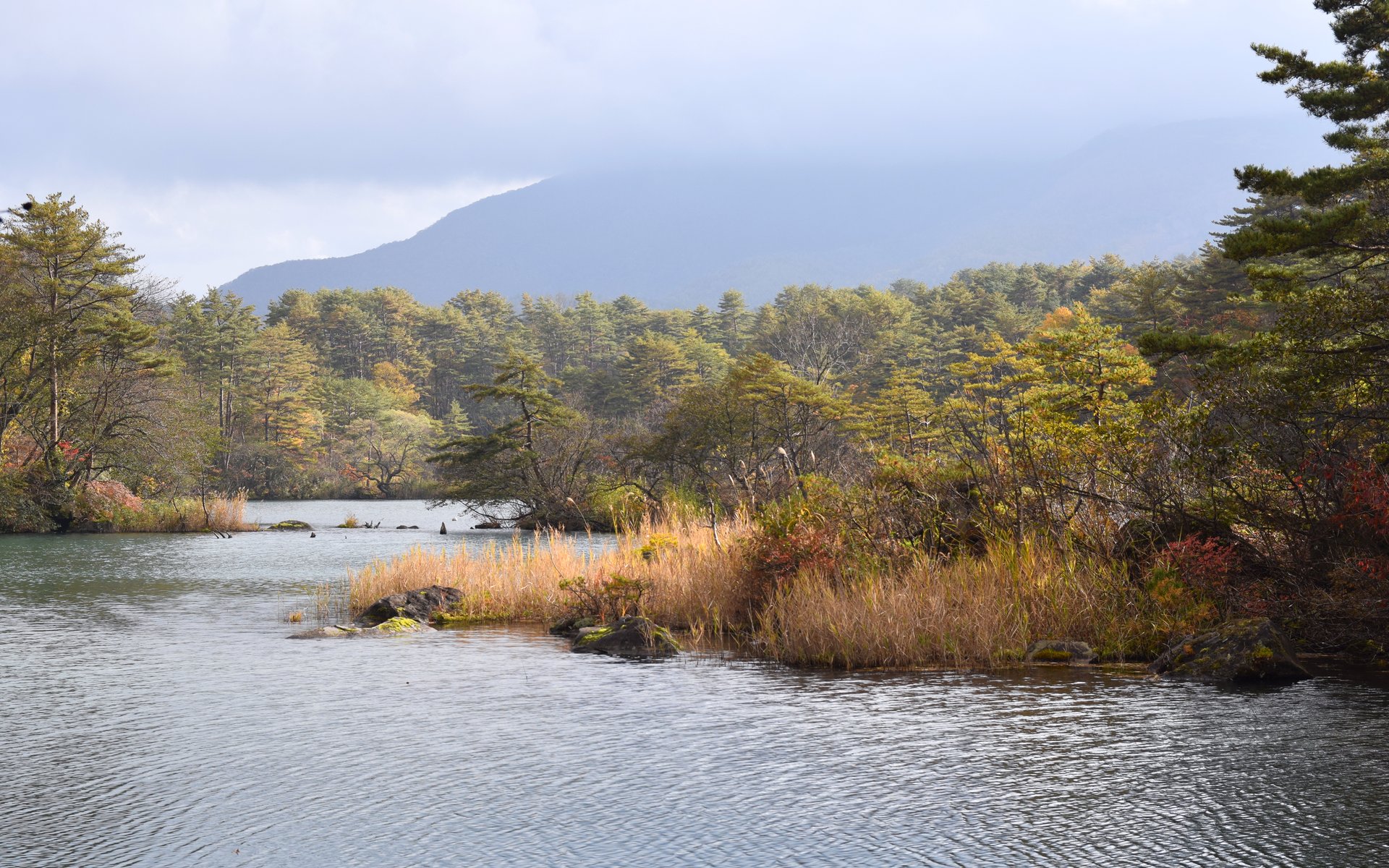
Guide to the Goshikinuma Lakes | Explore Colorful Lakes and Mount Bandai Along a 4-km Nature Trail
A group of more than 30 lakes and ponds formed by the eruption of Mount Bandai. Based on official information from the Urabandai Tourism Association, this guide provides details on how to hike the approximately 4-kilometer nature trail around Bishamon-numa and Aonuma, as well as bear safety precautions and access information. The best time to view the fall foliage is typically from mid-October to early November.
Read Story →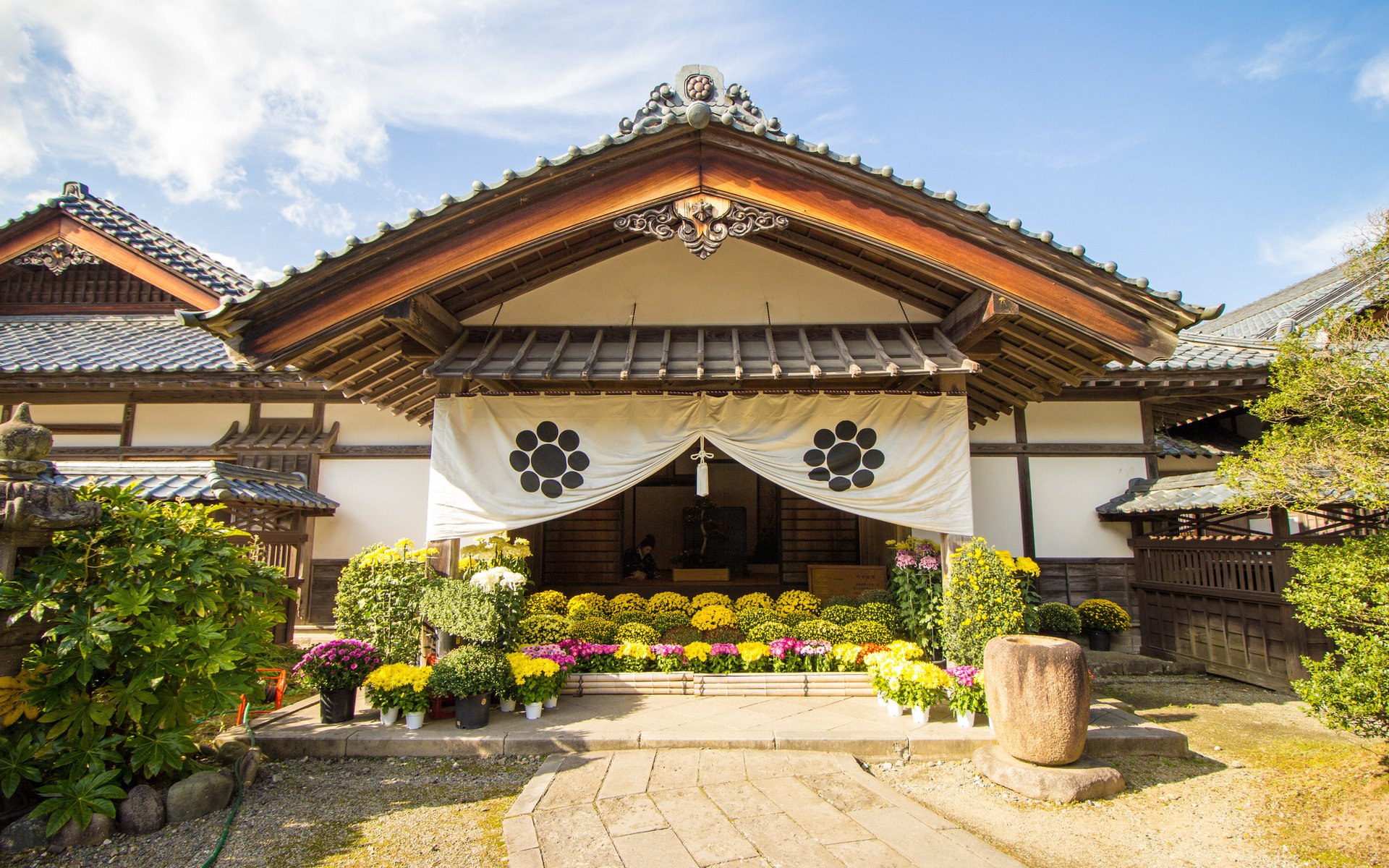
Aizu Samurai Residences Guide | A Historical Museum in the Castle Town: Exploring the Saigo Yorimo Residence and Important Cultural Properties
An open-air museum centered around the residence of Saigo Yorimoto, a senior councilor of the Aizu Domain, and featuring other sites such as the former Nakahata Jinya, a Designated Important Cultural Property. This guide provides information on opening hours, admission fees, access, and highlights based on official sources. The recommended visit duration is approximately one hour.
Read Story →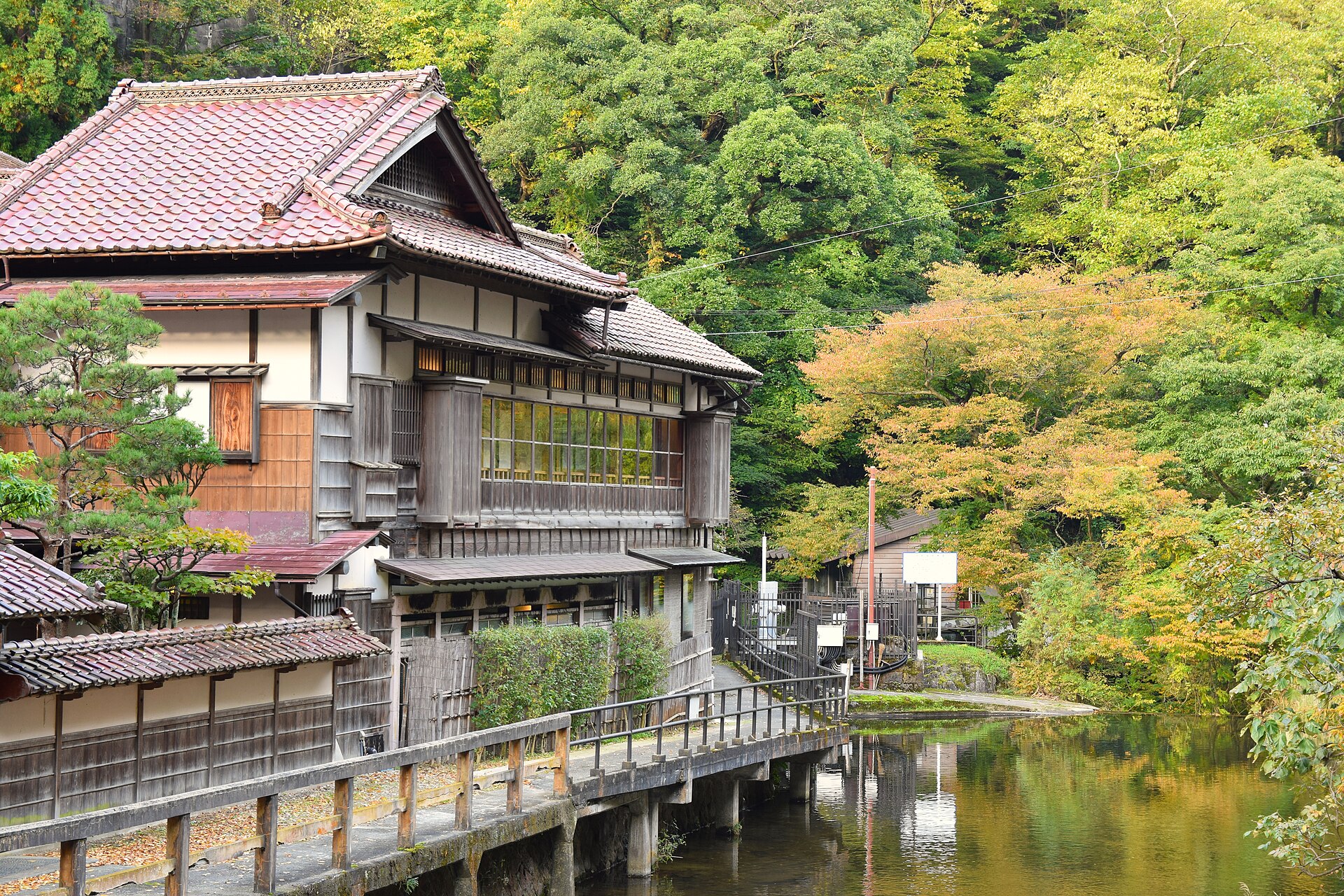
Higashiyama Onsen Guide | The "Okuzashiki" Associated with the Aizu Domain: Approximately 1,300 Years of History, Day-Trip Bathing, and Access
Higashiyama Onsen, known as the “inner sanctum” of Aizu-Wakamatsu, is said to have been discovered by Gyoki approximately 1,300 years ago and flourished as a hot spring resort for the Aizu Domain. Based on official information, this article introduces the characteristics of its smooth, sulfate-rich springs, day-trip bathing options and foot baths at local inns, and access via the sightseeing bus.
Read Story →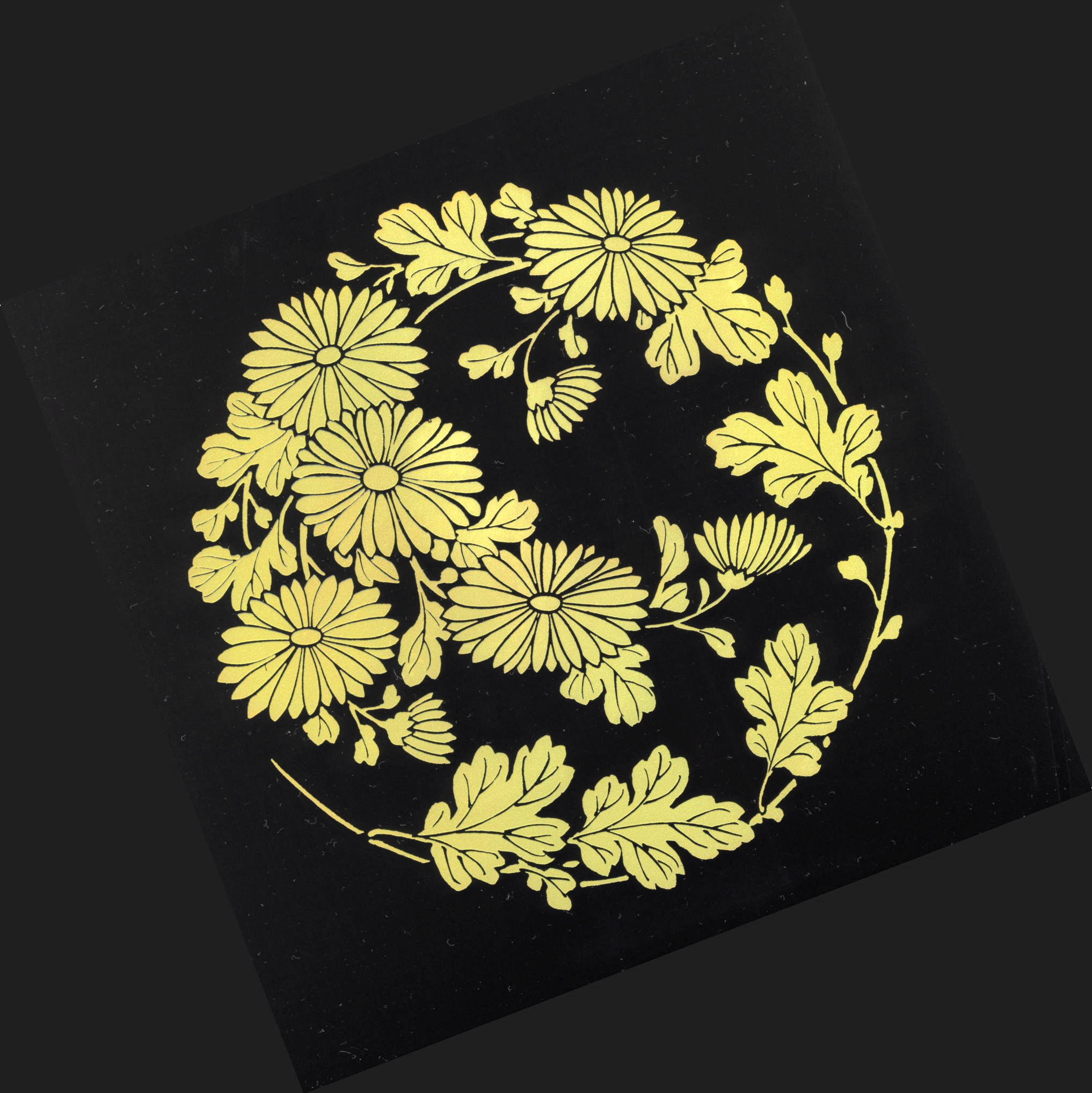
An Introduction to Aizu Lacquerware | Features and Techniques of This 400-Year-Old Lacquerware Tradition, and How to Choose Souvenirs
Aizu-nuri has been in continuous production for over 400 years, ever since Ujisato Gamo encouraged the art of lacquerware. Based on official information, this article introduces the history and distinctive techniques of this lacquerware—known for its “hana-nuri” finish and “koshiko-maki-e” decoration—as well as how to choose souvenirs such as bowls, chopsticks, and tiered lunch boxes.
Read Story →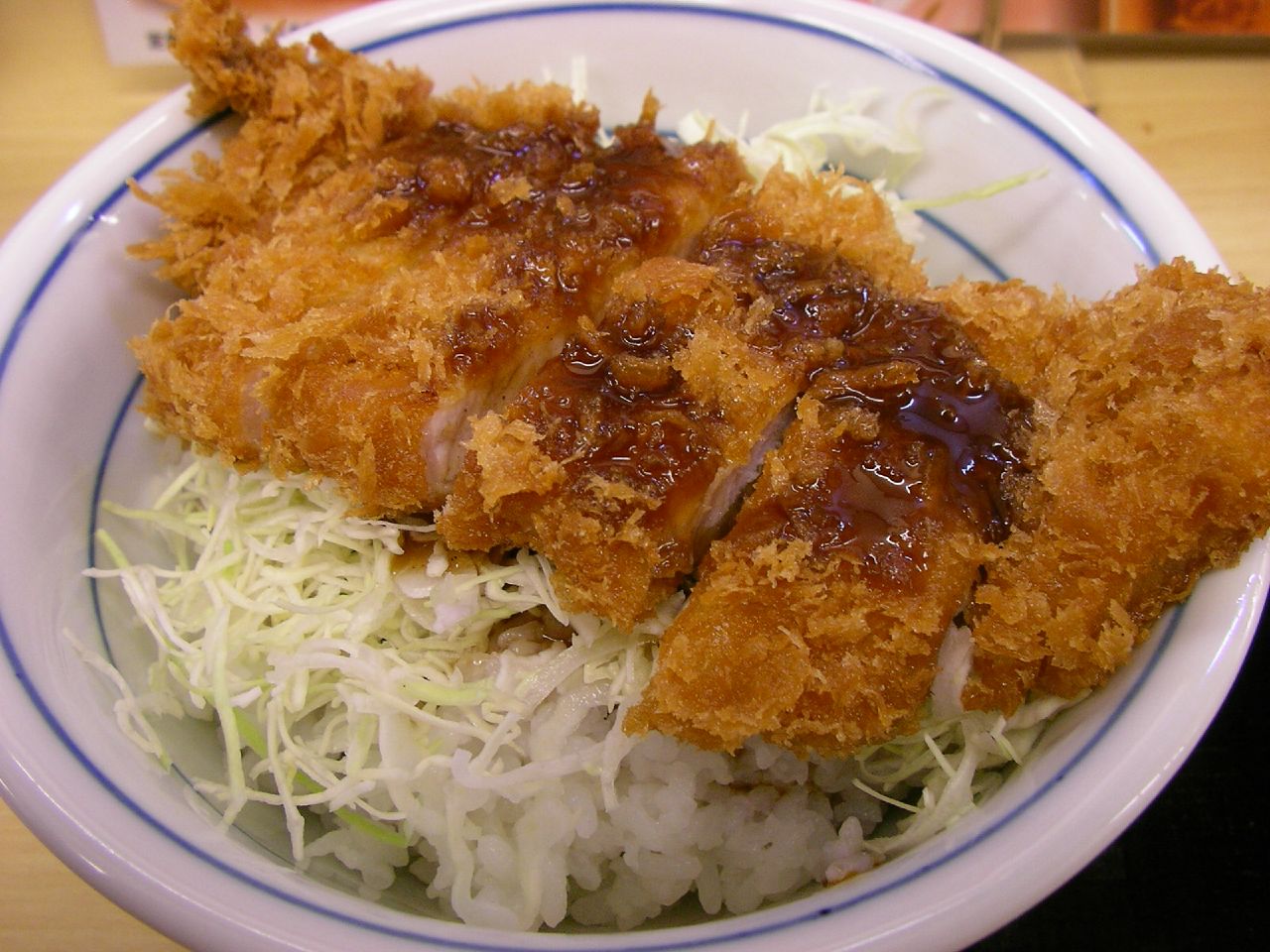
Aizu Sauce Katsu-don Guide | A Local Delicacy Featuring Thick Cutlets Dipped in a Sweet-and-Spicy Sauce
A thick tonkatsu, dipped in a secret sauce, served atop shredded cabbage. We’ll introduce the classic “Aizu Sauce Katsudon”—a dish that continues to be beloved at diners in Aizu-Wakamatsu—along with its varied historical theories, the unique characteristics of each restaurant’s sauce, and how to enjoy comparing them.
Read Story →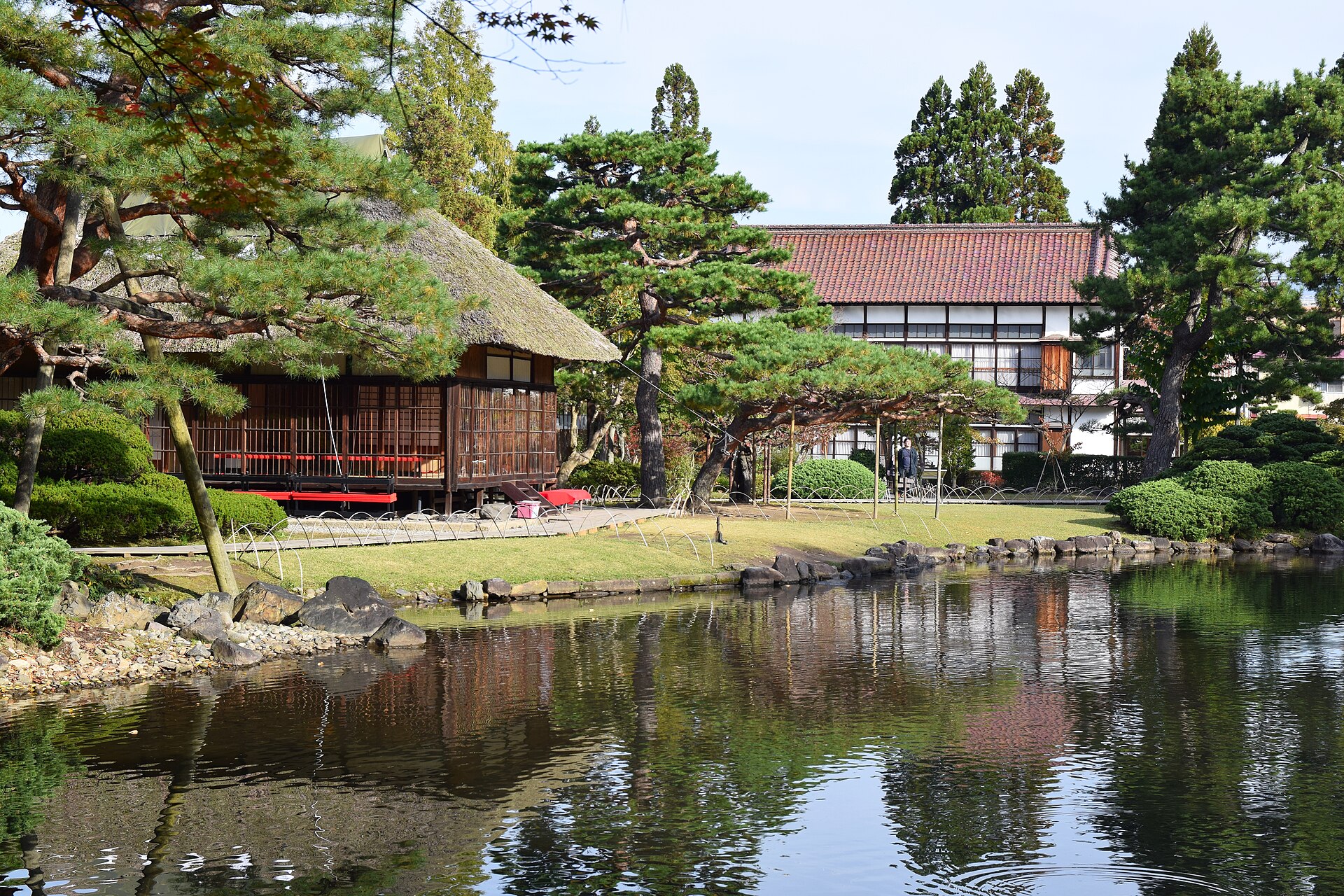
Oyakuen Guide | The History, Highlights, and Admission Information for the Daimyo Garden Associated with the Aizu Matsudaira Clan and Its Medicinal Herbs
A guide to the Aizu Matsudaira Clan’s daimyo garden, the Oyakuen, which spreads out around the Kokoro-ji Pond. This guide covers the history of the medicinal herb garden—which began with the cultivation of Korean ginseng—as well as highlights such as the Ochaya Palace, Rakujutei Pavilion, and the Medicinal Plant Specimen Garden, along with admission fees and access information based on official sources.
Read Story →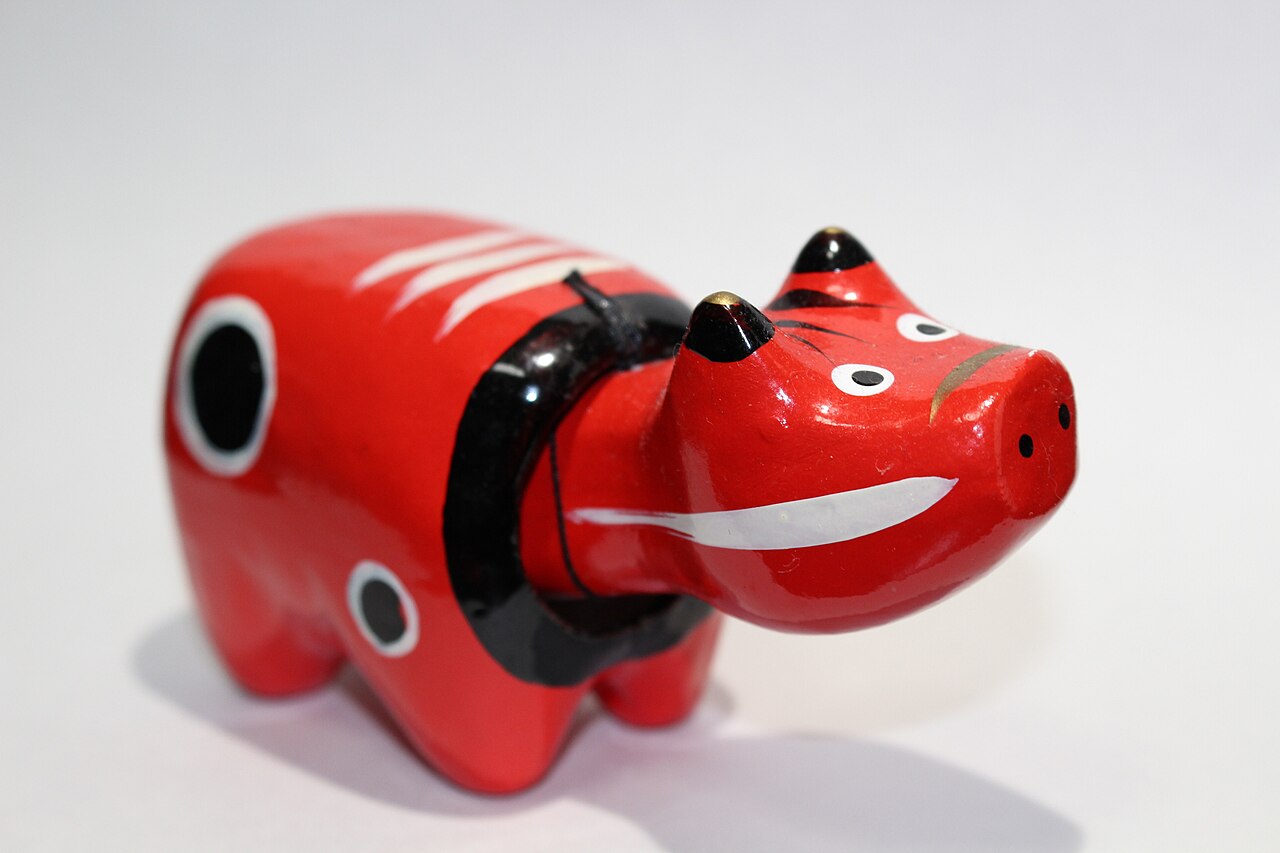
Aizu Brand Hall (Market Featuring Products from 17 Municipalities) Guide | A select shop on Nanokamachi Street where you can discover Aizu crafts and cuisine
The “Aizu Brand Hall (Market for Products from 17 Municipalities),” a select shop located on Nanokamachi Street, is a store that brings together the finest products from Aizu’s 17 municipalities—ranging from Aizu lacquerware and Aizu cotton to Akabeko merchandise and original food items produced on-site. Here, we’ll introduce its hours of operation, how to get there, and highlights.
Read Story →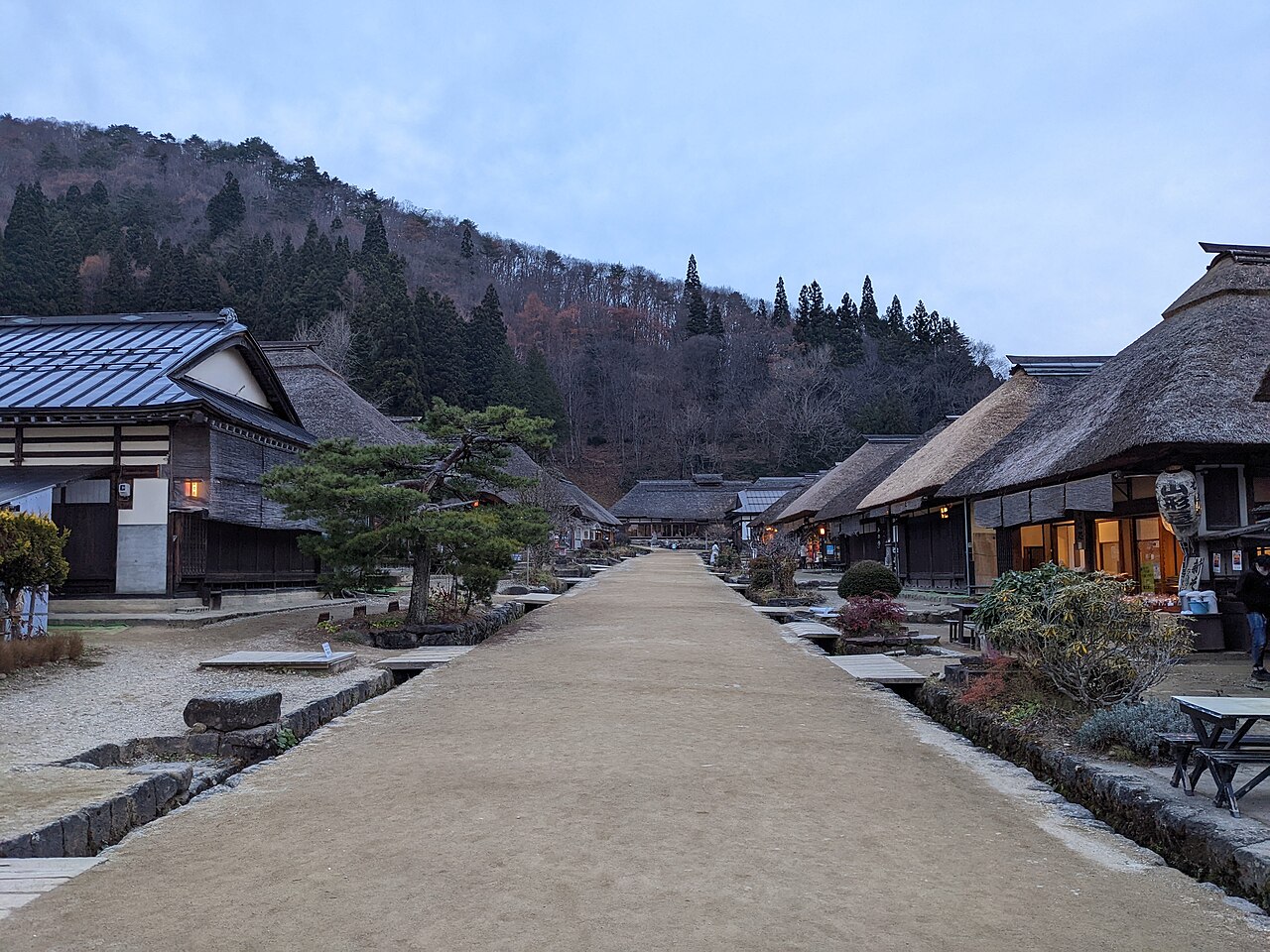
Ouchi-juku Tourist Guide | Highlights of the Thatched-Roof Post Town, Leek Soba, Access, and Parking
A guide to Ouchi-juku, a post town that retains its Edo-period charm. We’ve compiled useful information for first-time visitors, covering everything from the town’s thatched-roof streetscape, the Koyasu Kannon and Takakura Shrine, the exhibition hall at the site of the former honjin (inn for officials), and the local specialty—negi soba served with long green onions—to the Saruyu bus from Yunogami Onsen Station and parking information.
Read Story →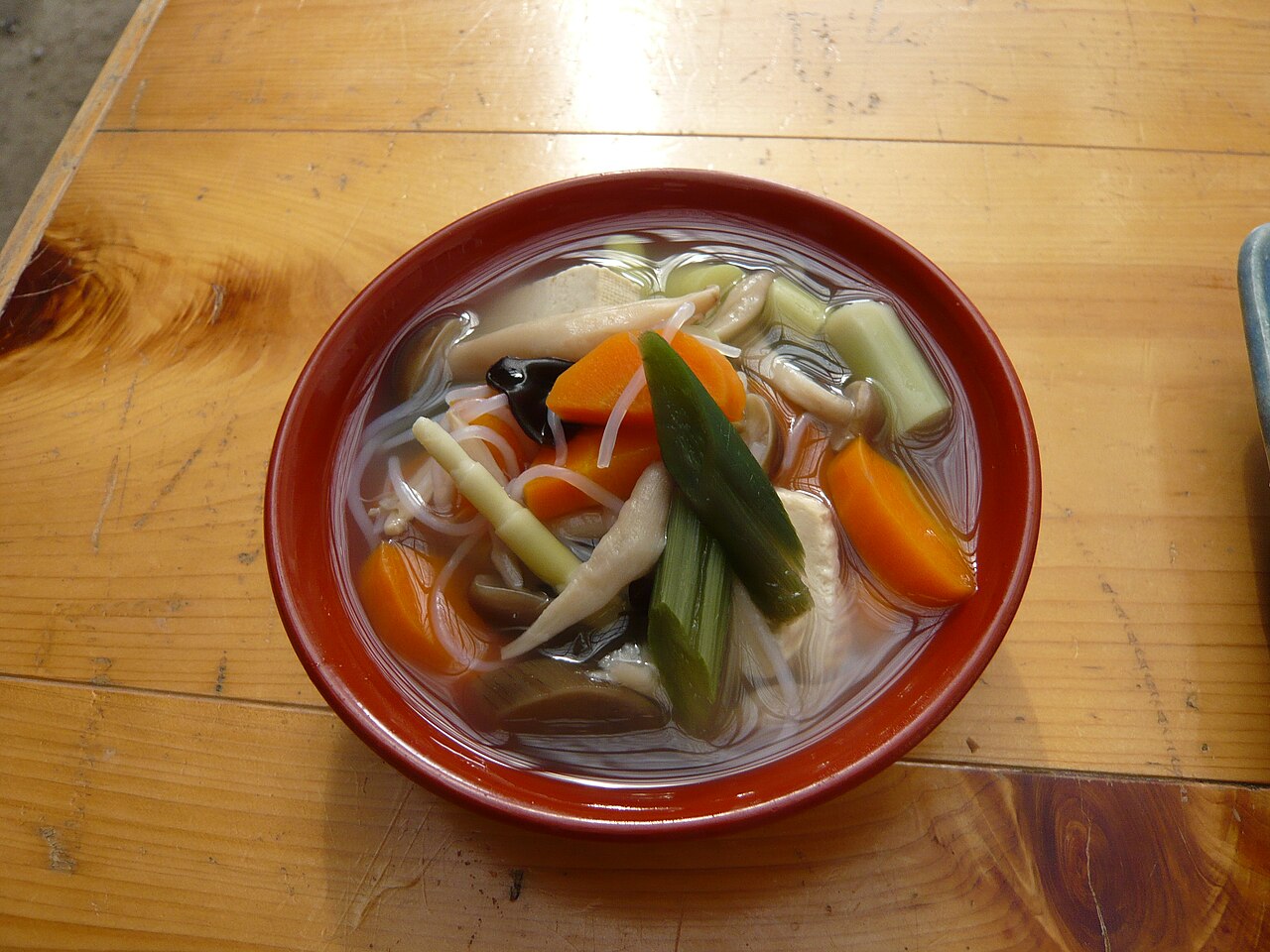
An Introduction to "Kozuyu," a Traditional Dish from Aizu | A Festive Soup Served with Scallop Broth and a Small Plate of Salt
An Introduction to “Kozuyu,” an Aizu Regional Dish Where Dried Scallop Broth Is the Key. From the origins of this celebratory soup to the seven or nine types of ingredients and the tradition of light seasoning, to the use of Aizu-nuri lacquered serving dishes and the etiquette for seconds, and even its connections to sansho-pickled herring and simmered cod sticks—this is a culinary culture guide that will be useful for your first trip to Aizu.
Read Story →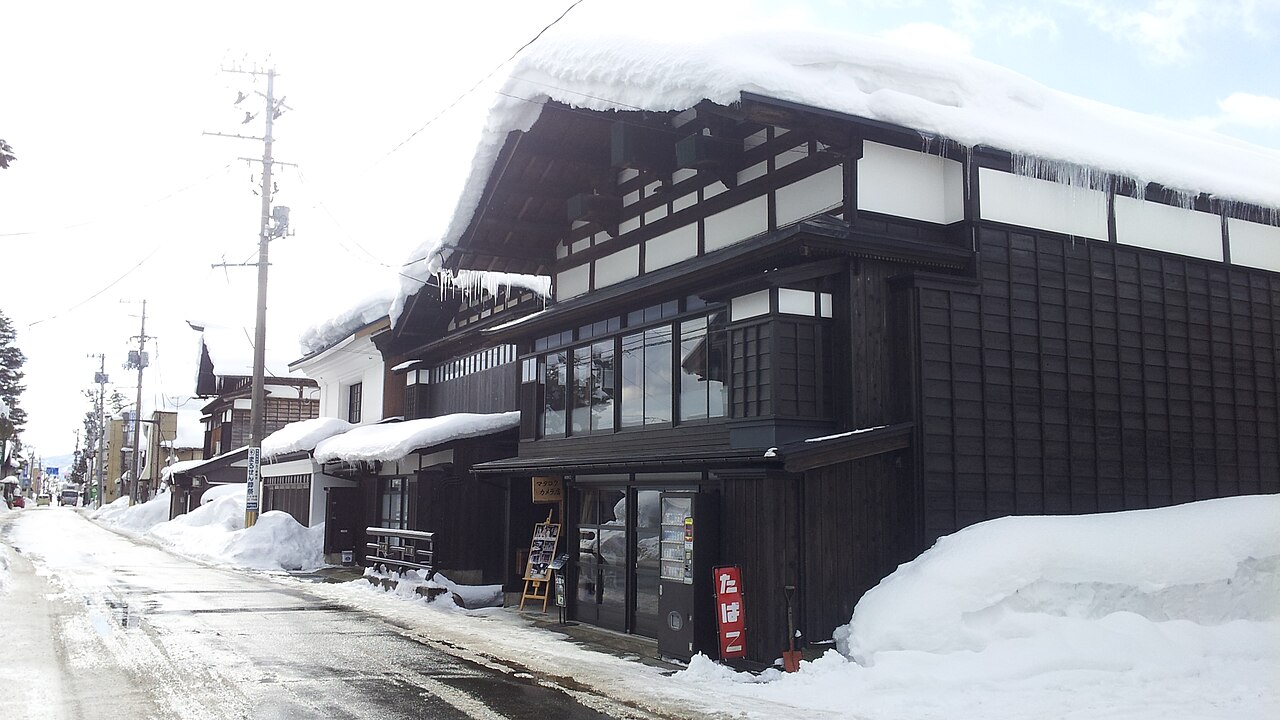
Shibukawa Wholesale (Aizu-Wakamatsu, Nanokamachi Street) | Enjoy local cuisine in a building that once housed a seafood wholesaler founded in the Meiji era
"Shibukawa Wholesale," a seafood wholesaler founded in Meiji 15, still stands on Nanokamachi Street. Designated as a historic landmark by Aizu-Wakamatsu City, the property features a main house from the Taisho era and a Meiji-era storehouse with a tatami room. Here, we introduce a restaurant where you can enjoy local dishes associated with the wholesaler—such as kozuyu, simmered cod on a stick, and skinless herring—as well as Aizu beef.
Read Story →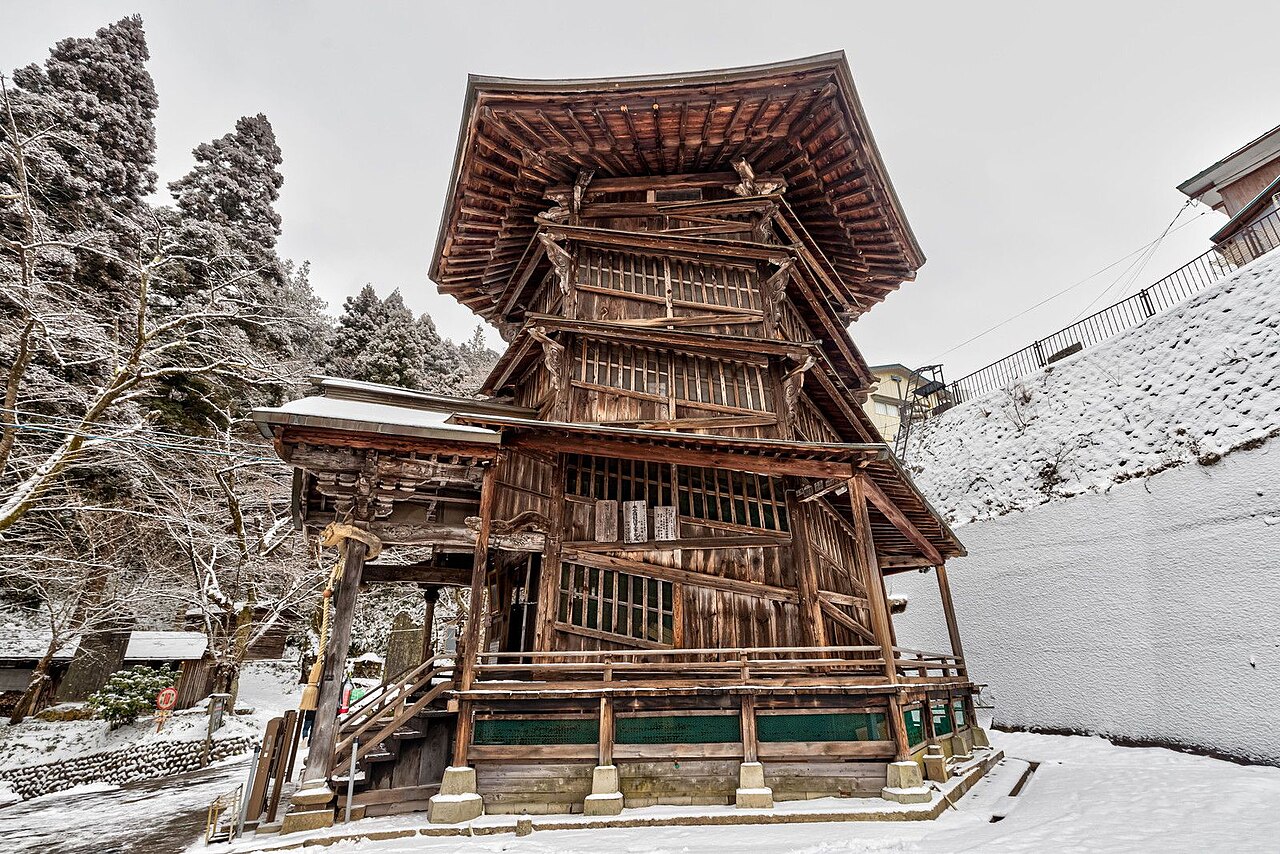
Guide to Aizu Sazaedo (Ento Sanzaido) and Mt. Iimori | Exploring the Double Helix That Never Crosses and the Graves of the Nineteen Members of the Byakkotai
This guide—based on official information—covers the structure and history of the Aizu Sazaedo (Ento Sanza-do), a wooden hall featuring a double helix design where the ascending and descending paths never cross; highlights of Mt. Iimori, home to the graves of the 19 members of the Byakkotai; and visiting hours, admission fees, and access details. It’s a helpful resource for your first trip to Aizu.
Read Story →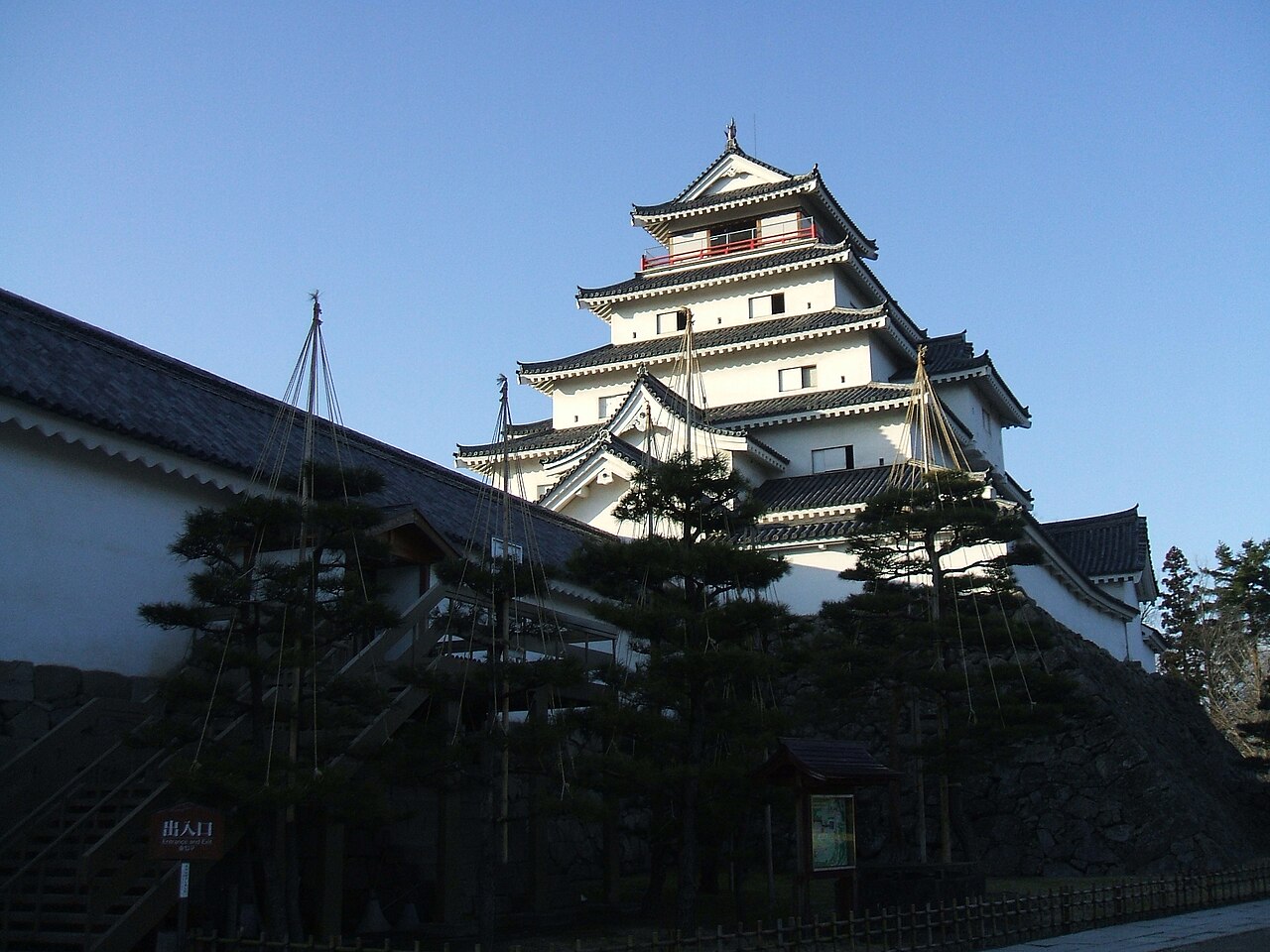
Why Are the Tiles on Tsuruga Castle “Red”? Aizu’s Wisdom for Surviving Harsh Winters
Tsuruga Castle is known as Japan’s only castle with a red-tiled keep. Hidden within its beautiful red roof were ingenious features designed to help the castle withstand the cold Aizu winters.
Read Story →